What’s flowering in the garden in March?
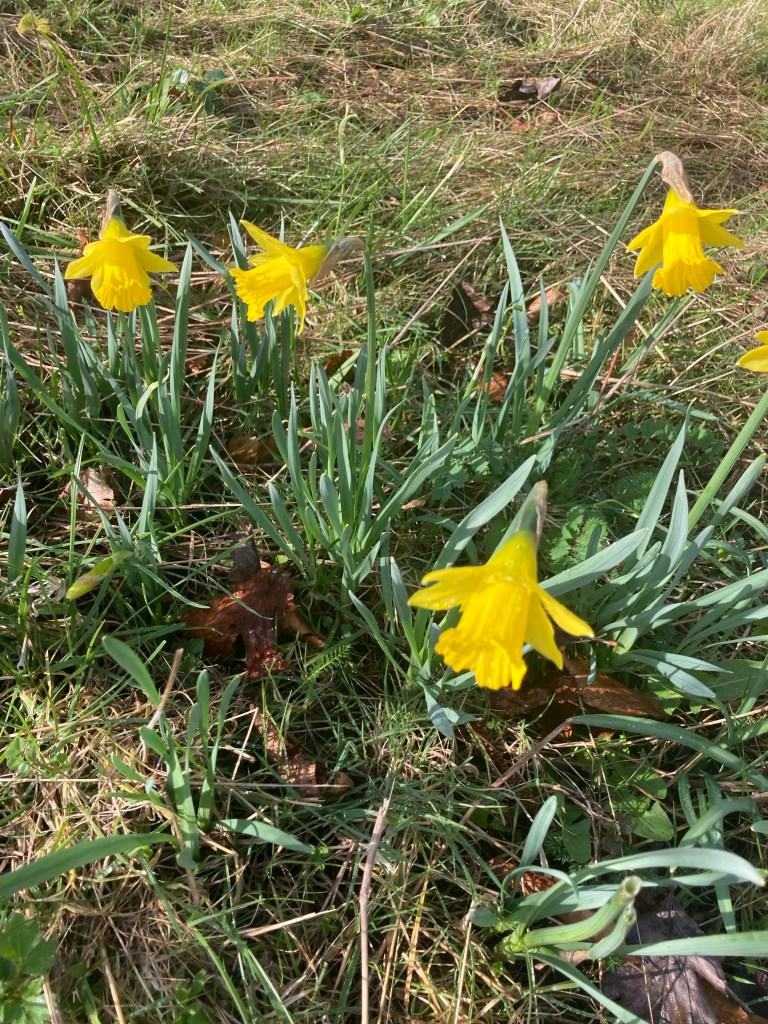


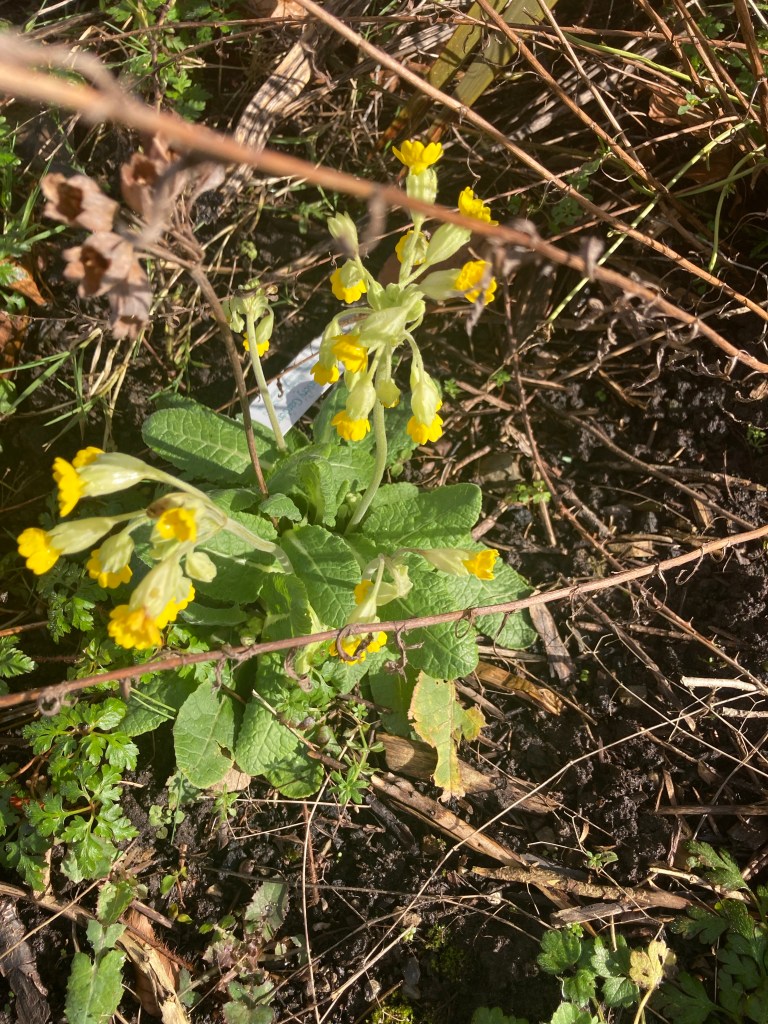
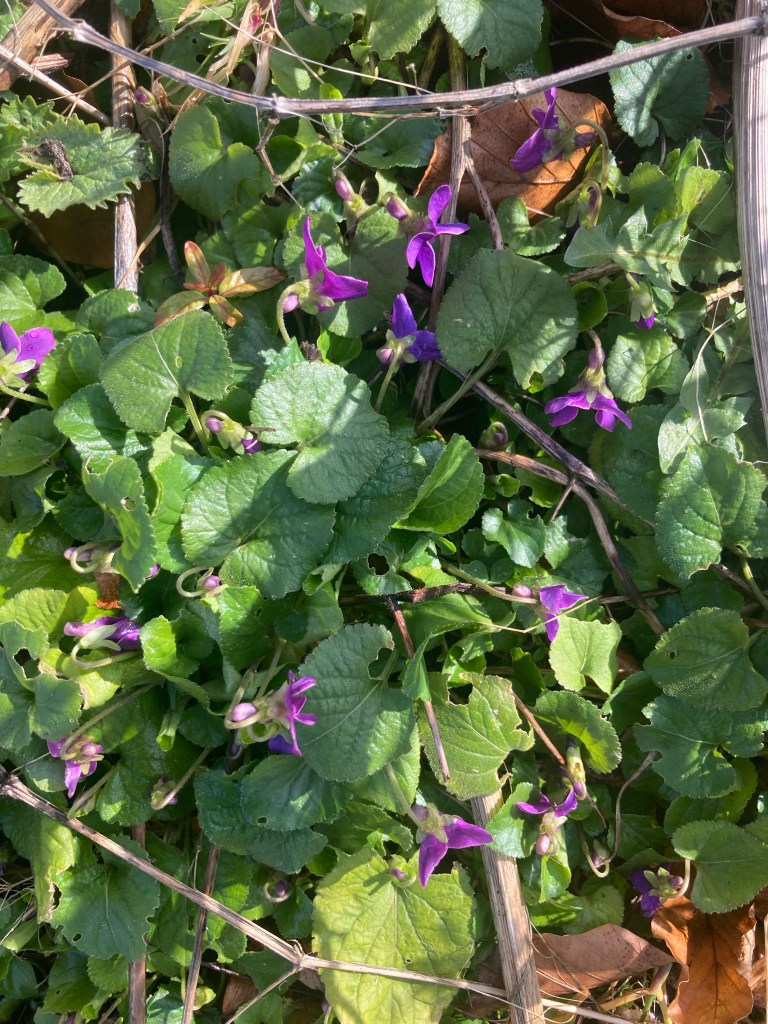
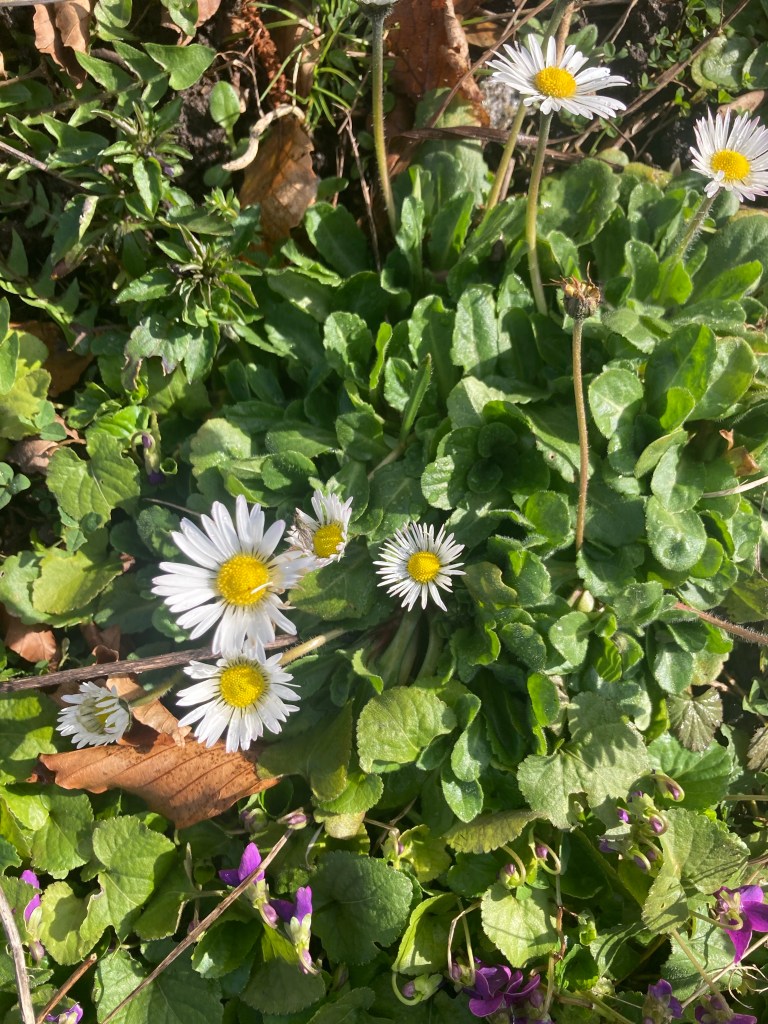
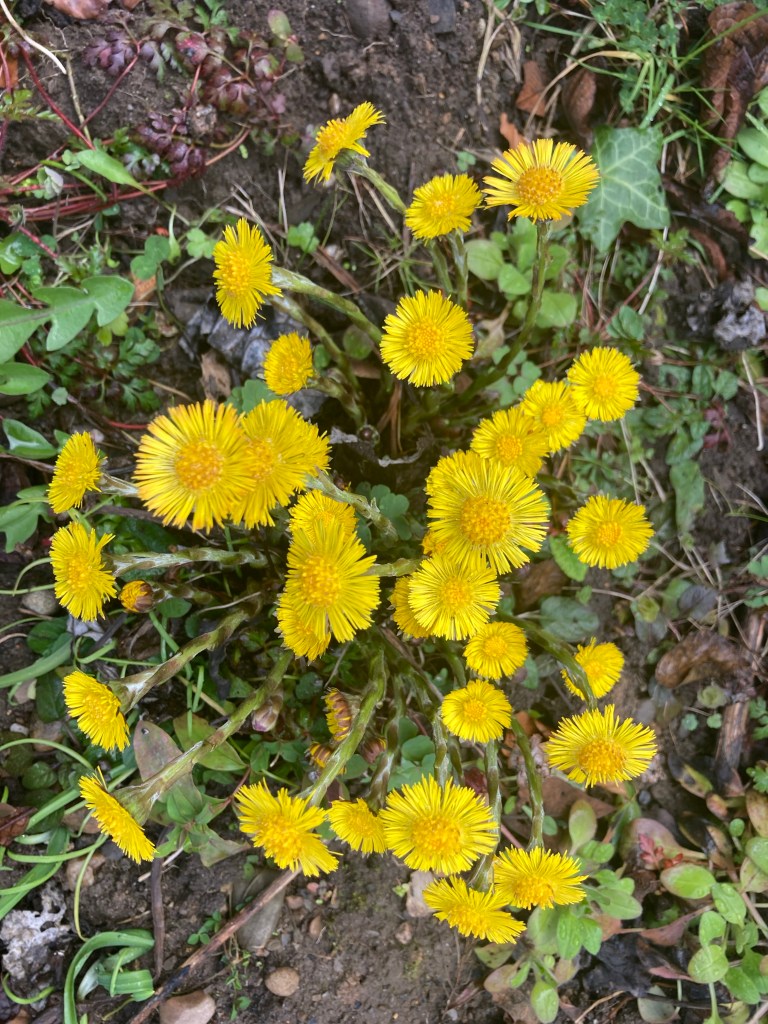
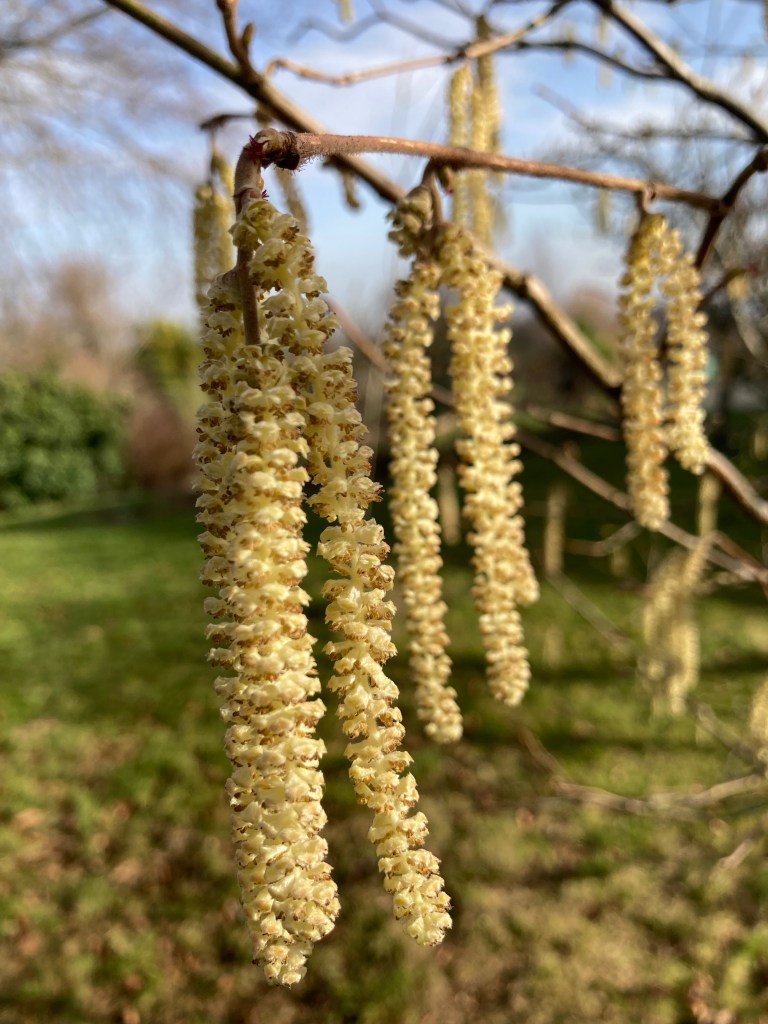
Still flowering from February
What’s edible in the garden in March?
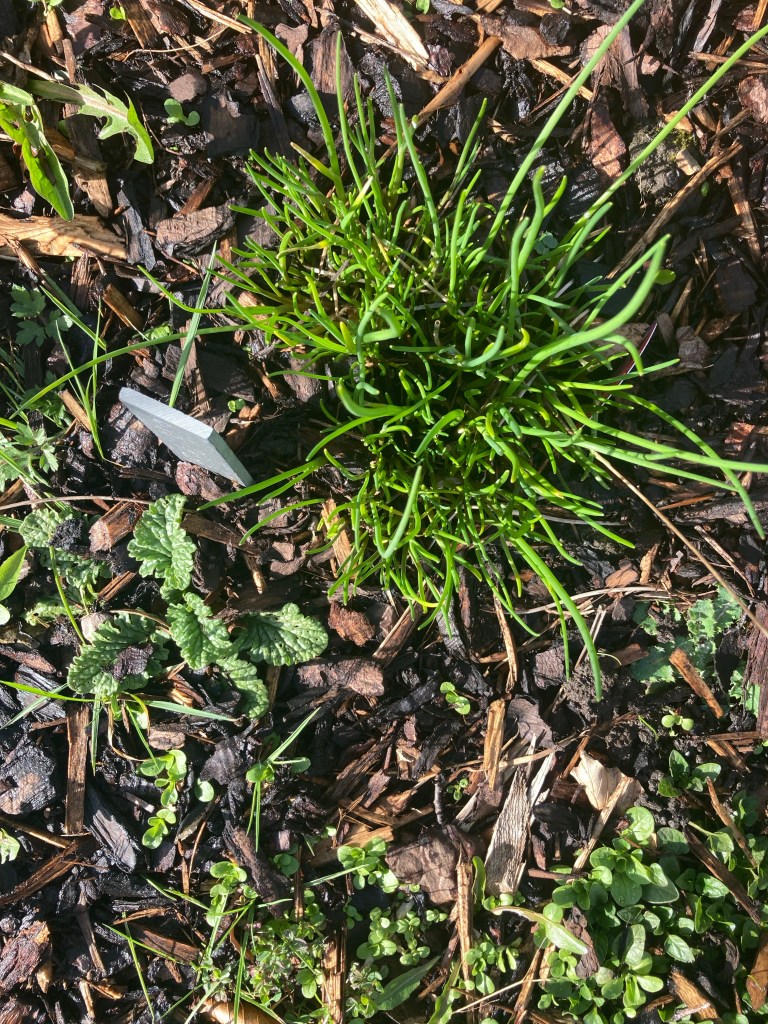

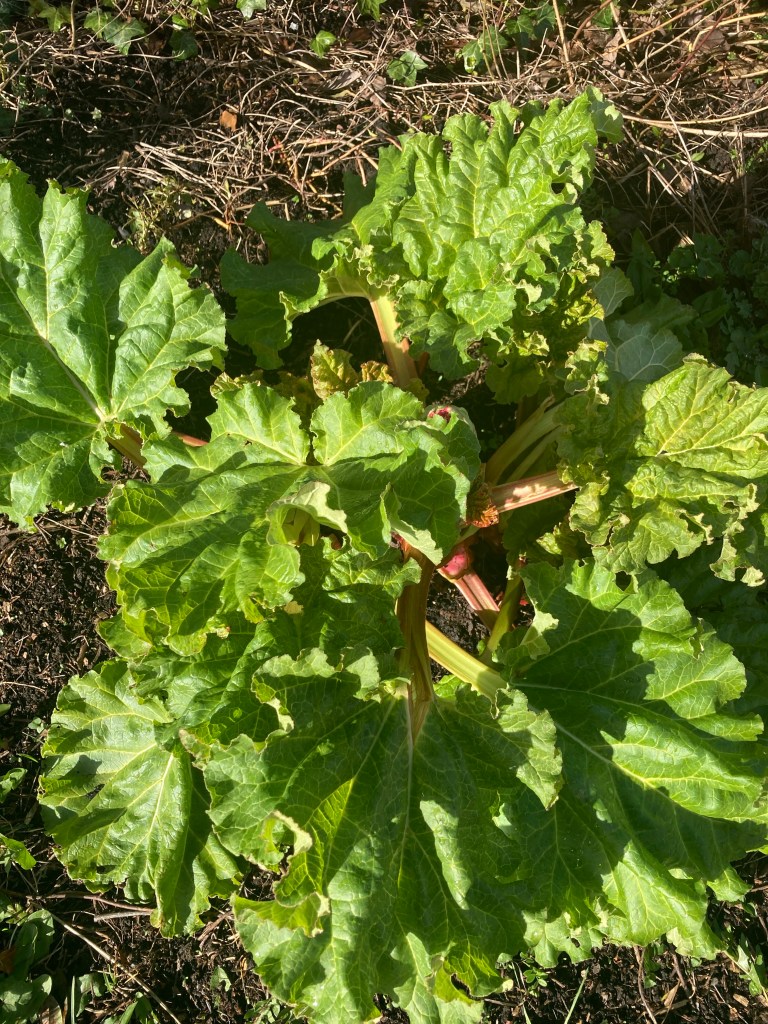
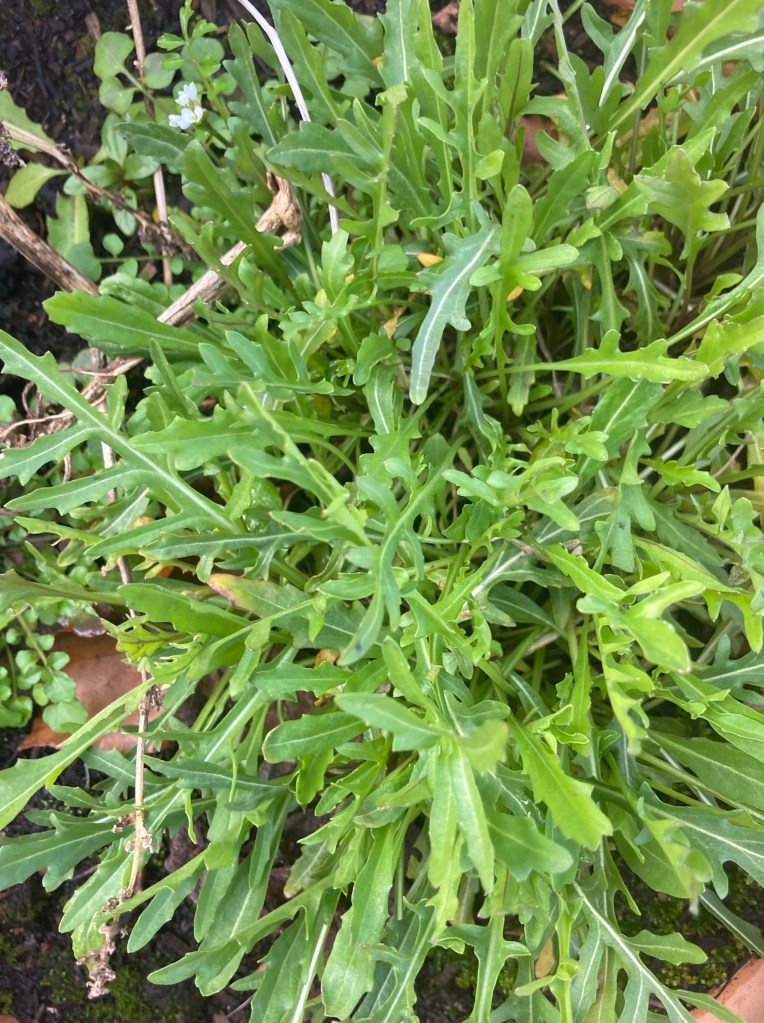
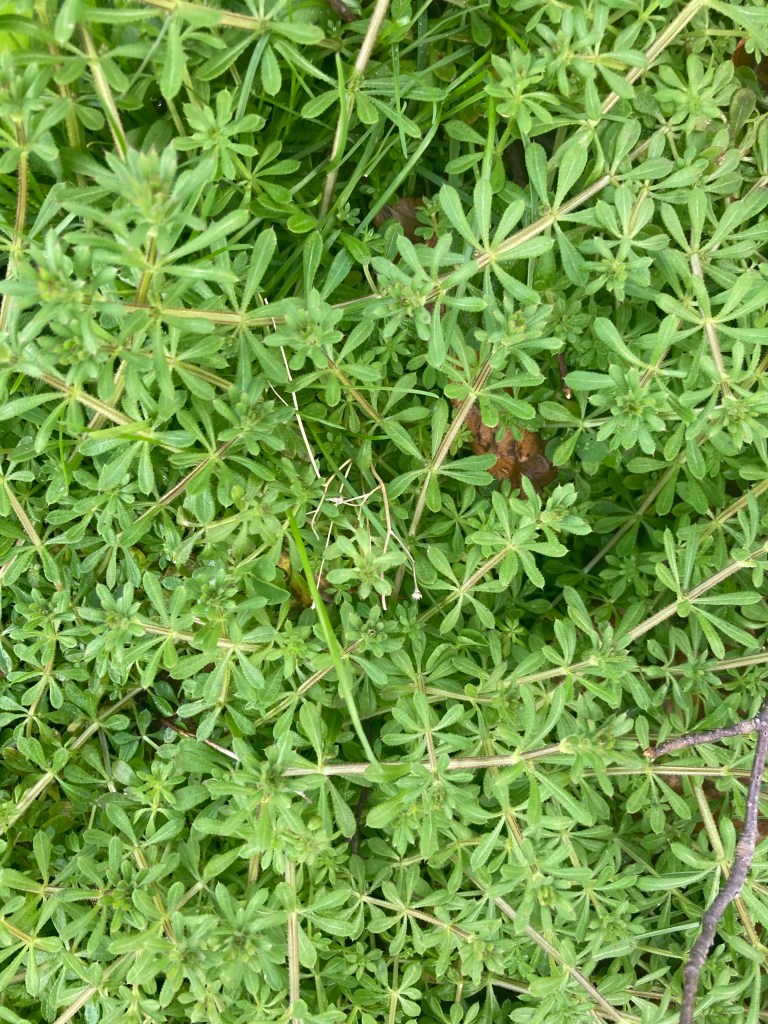
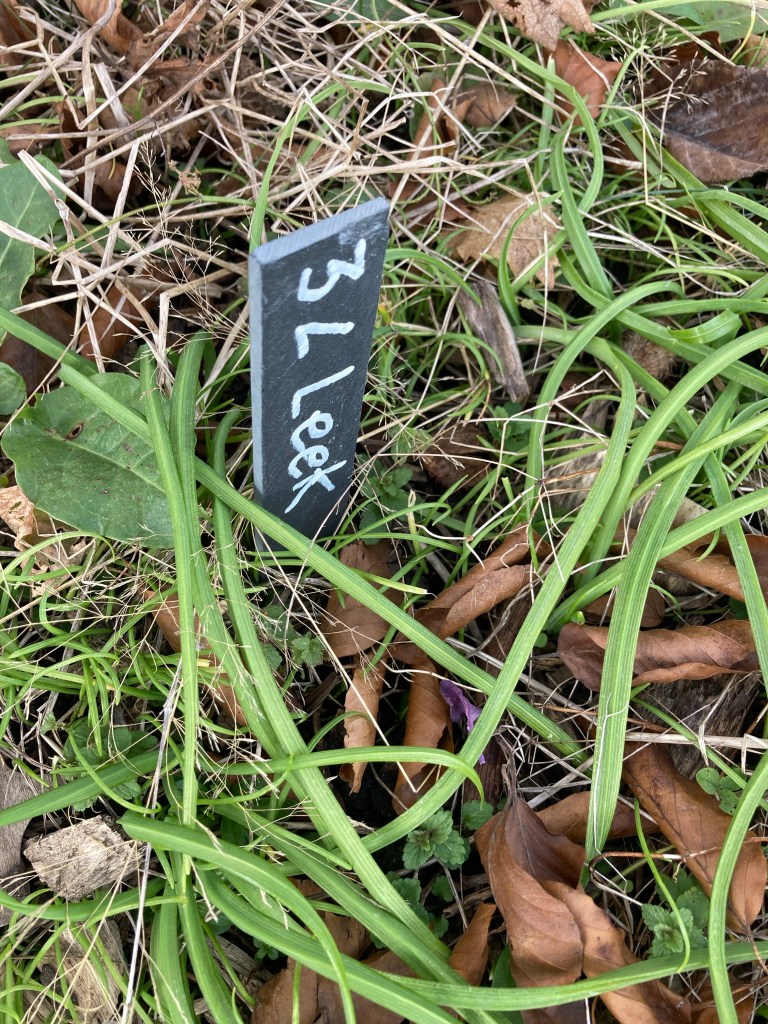
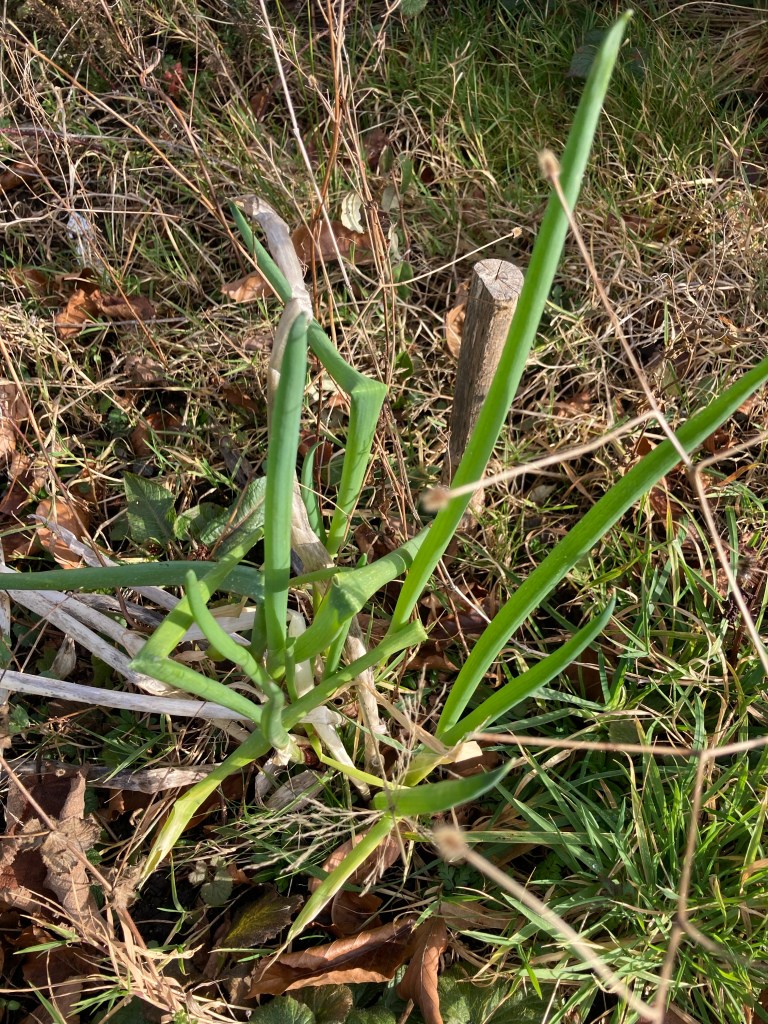
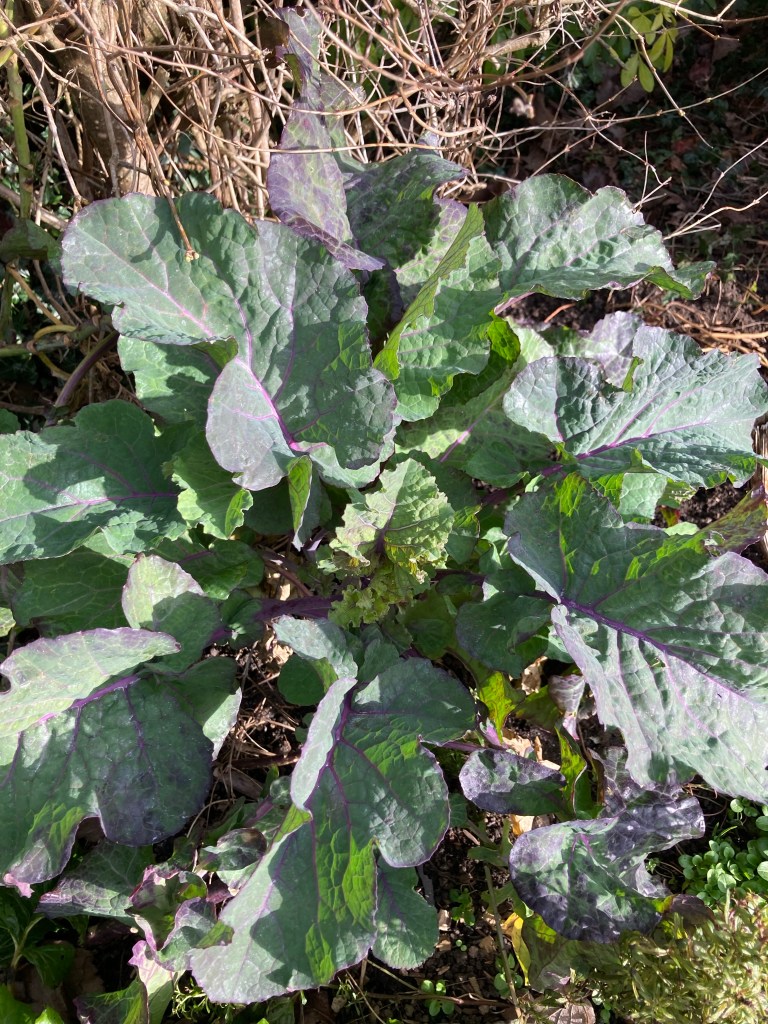
Still growing from February

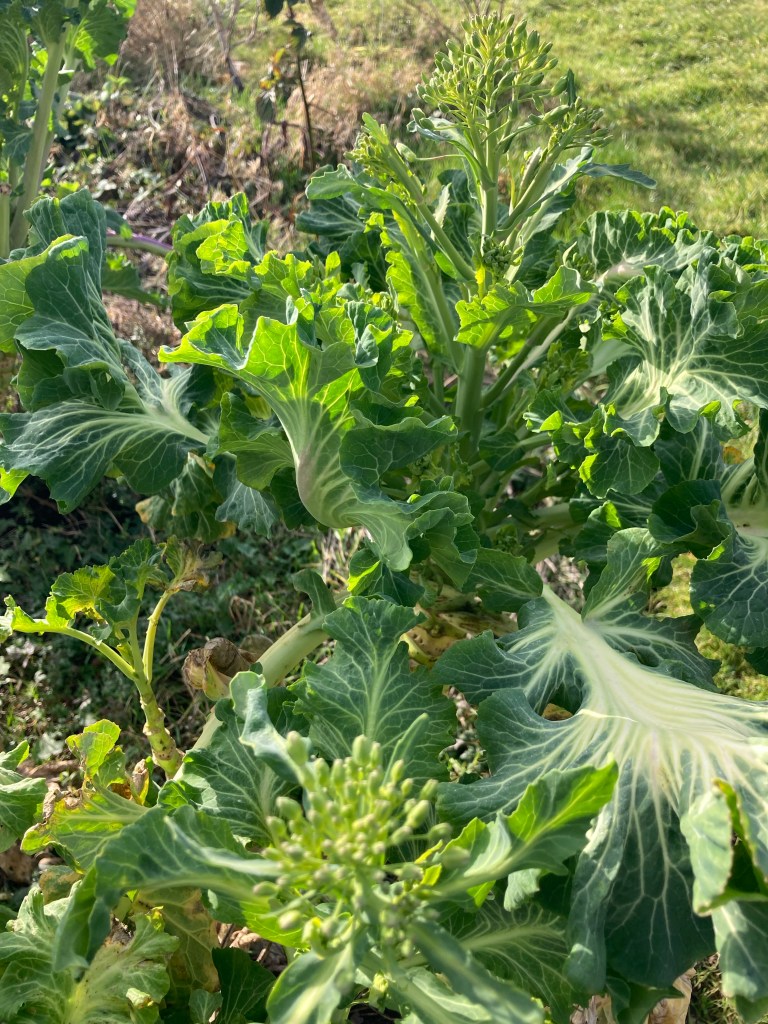
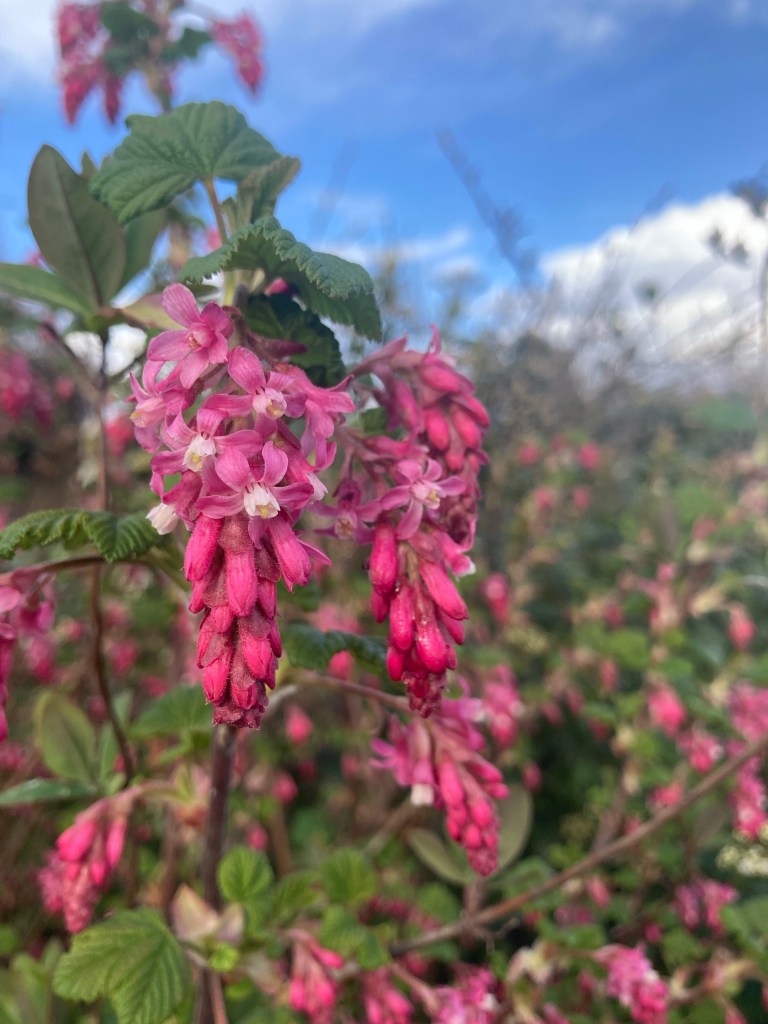
Turning an ornamental garden into an edible woodland
What’s flowering in the garden in March?
Still flowering from February
What’s edible in the garden in March?
Still growing from February
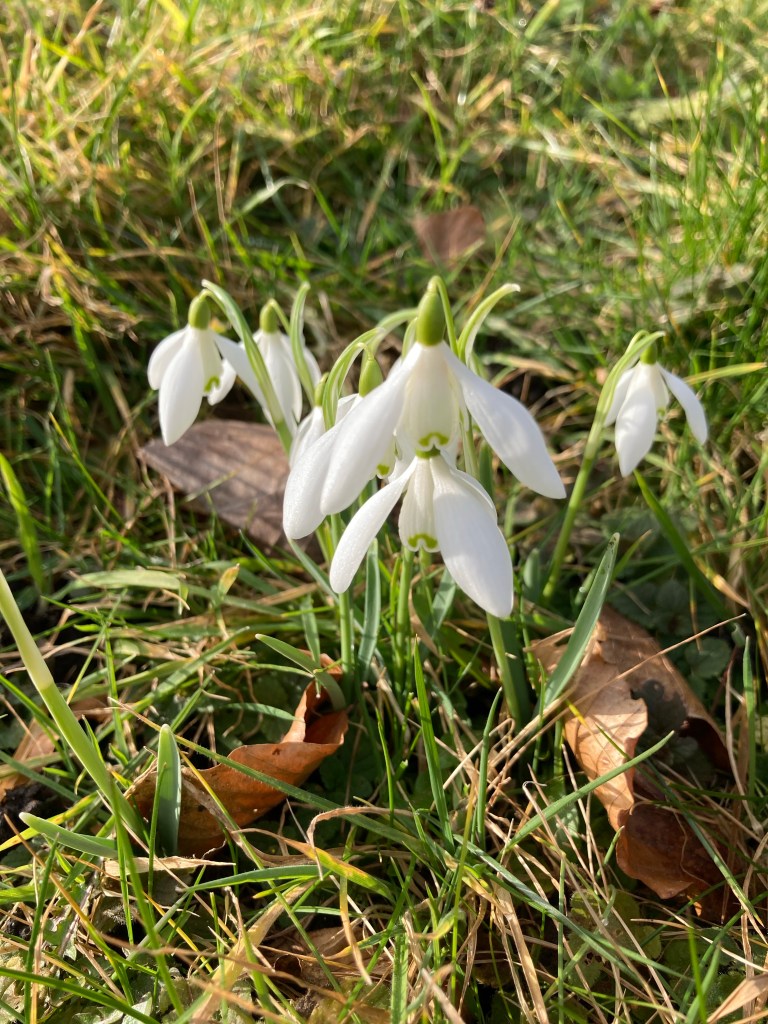
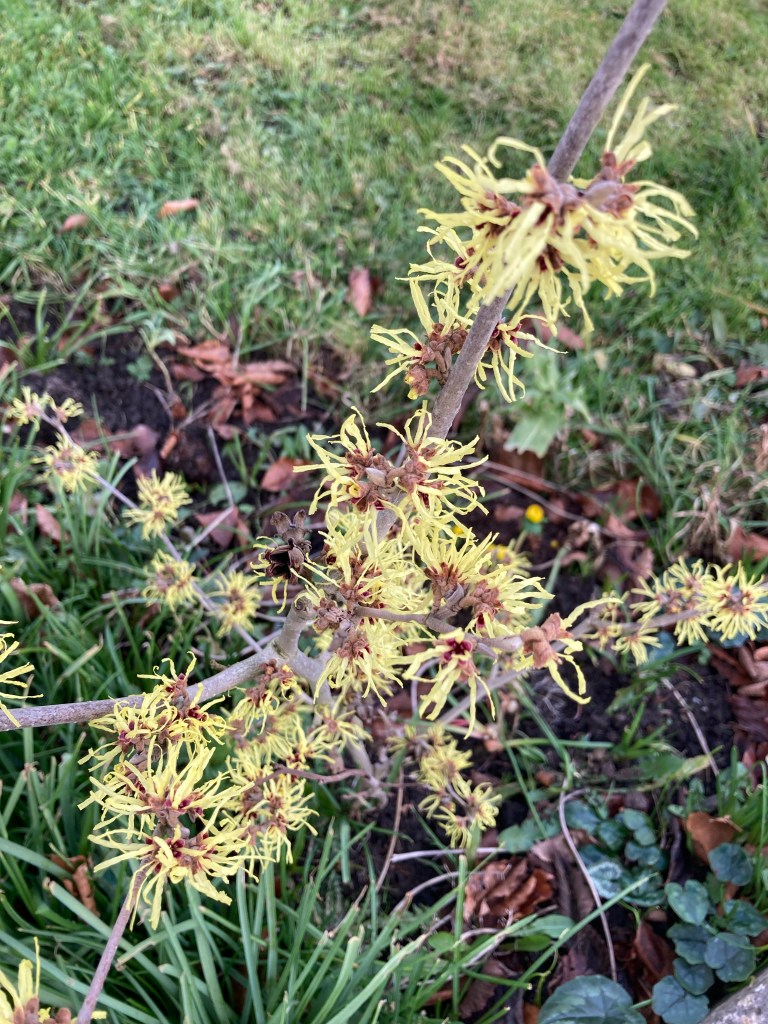
What’s flowering in February?
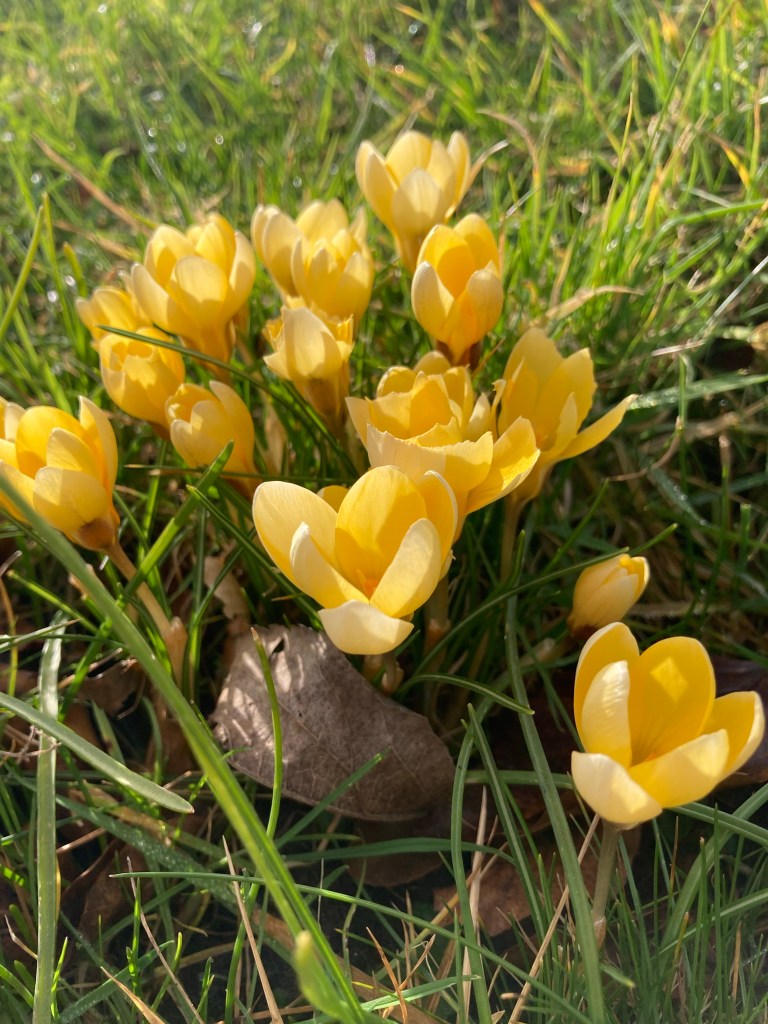


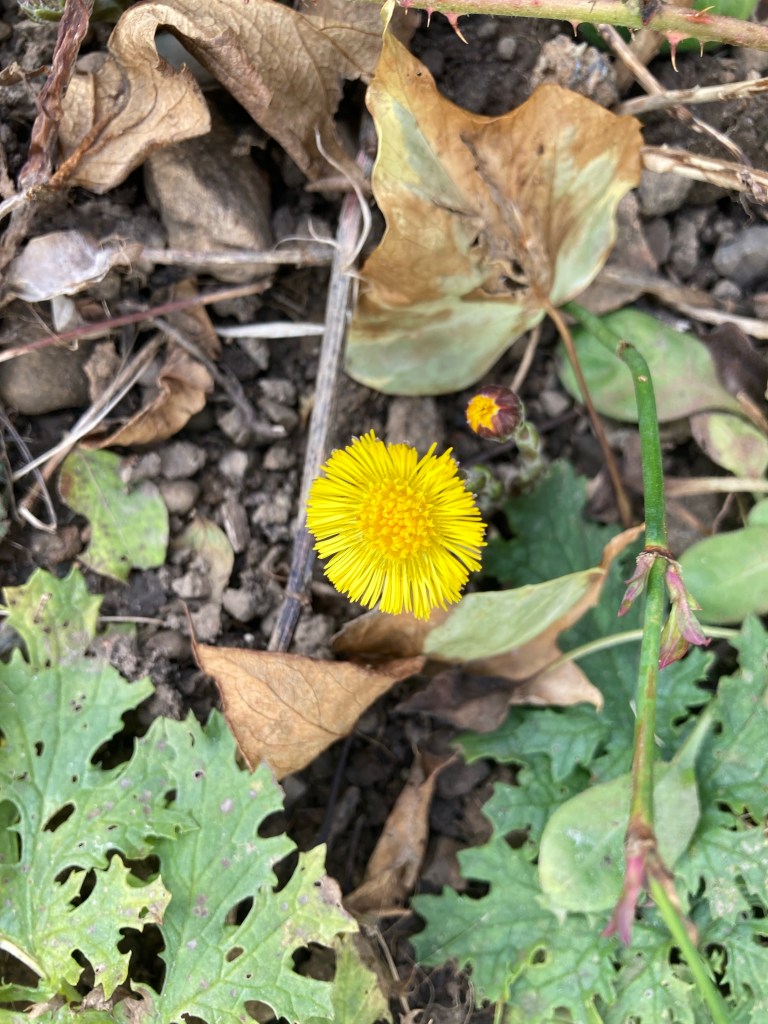
What’s edible in February?
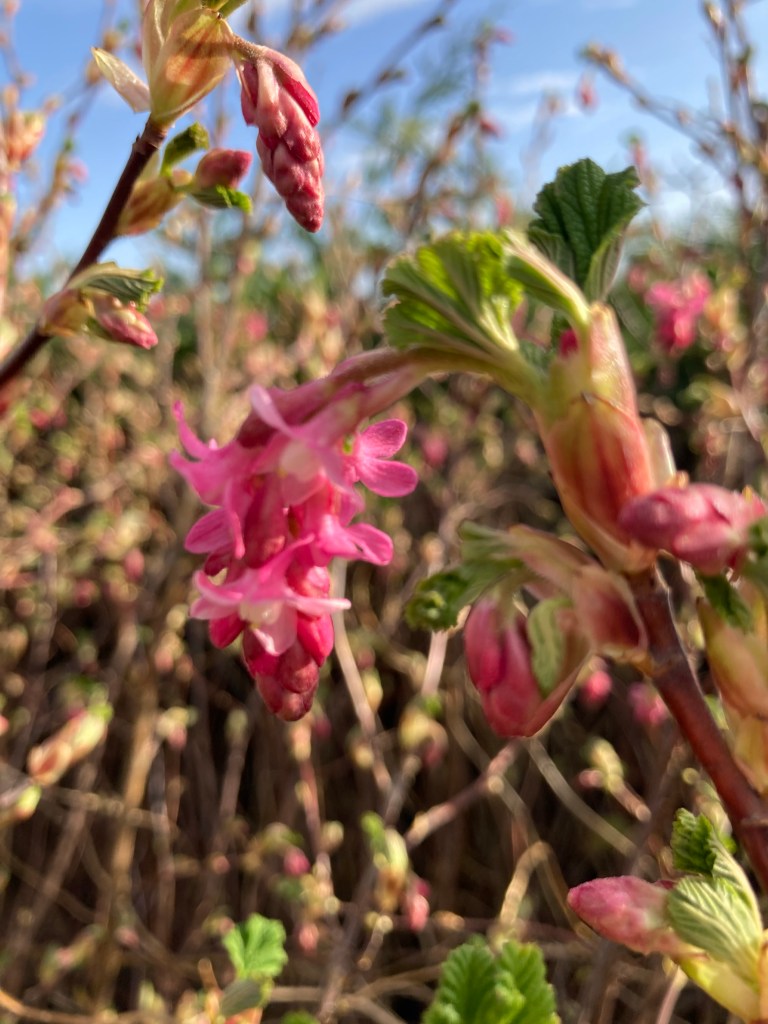
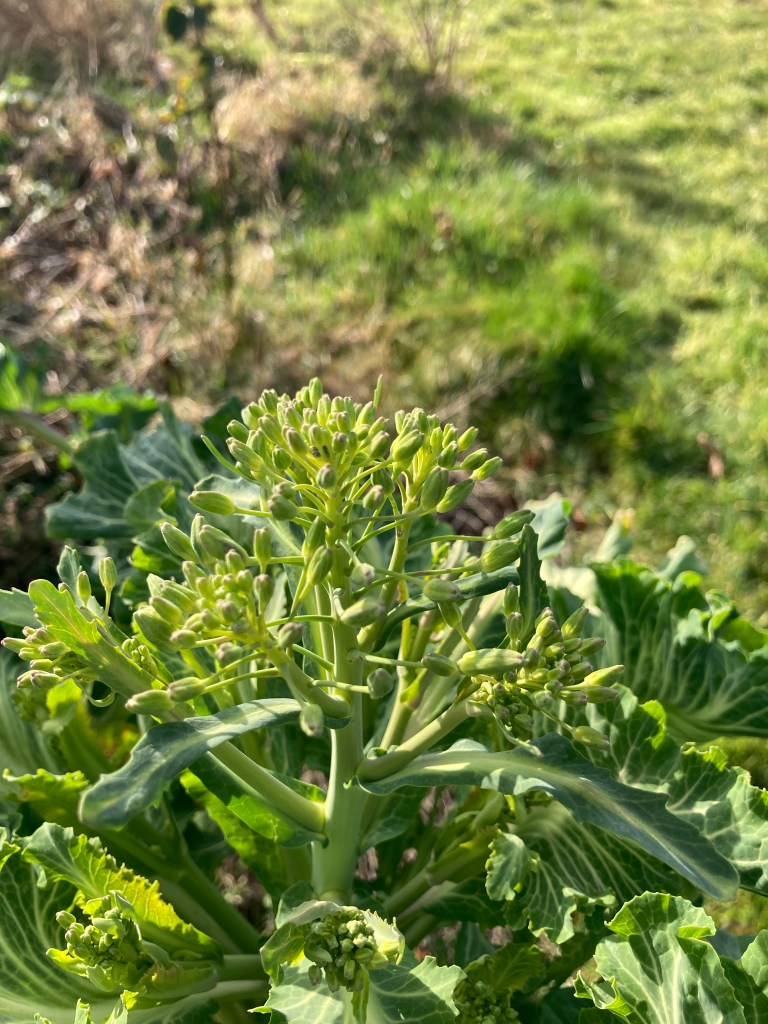
What’s flowering in January?
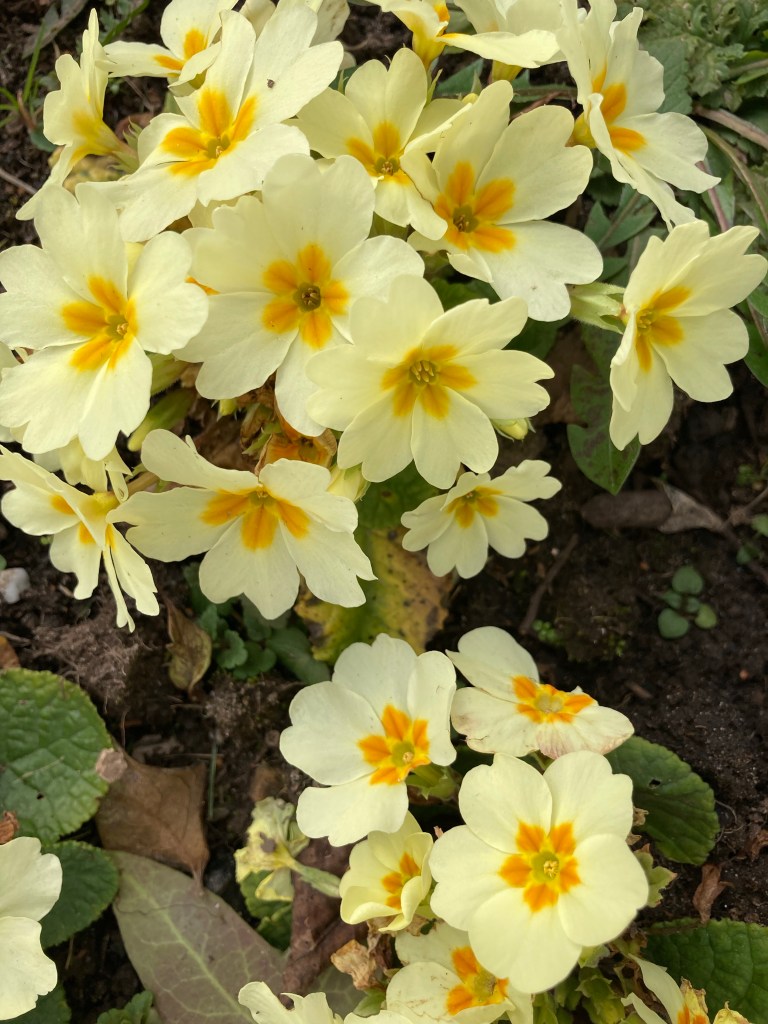
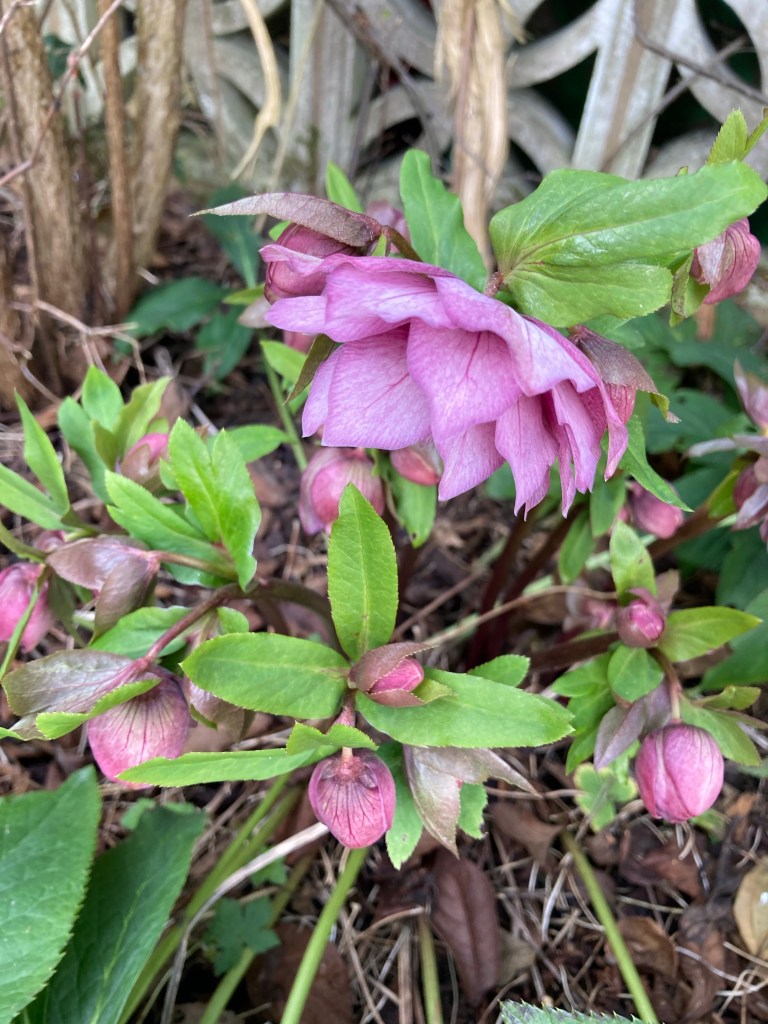
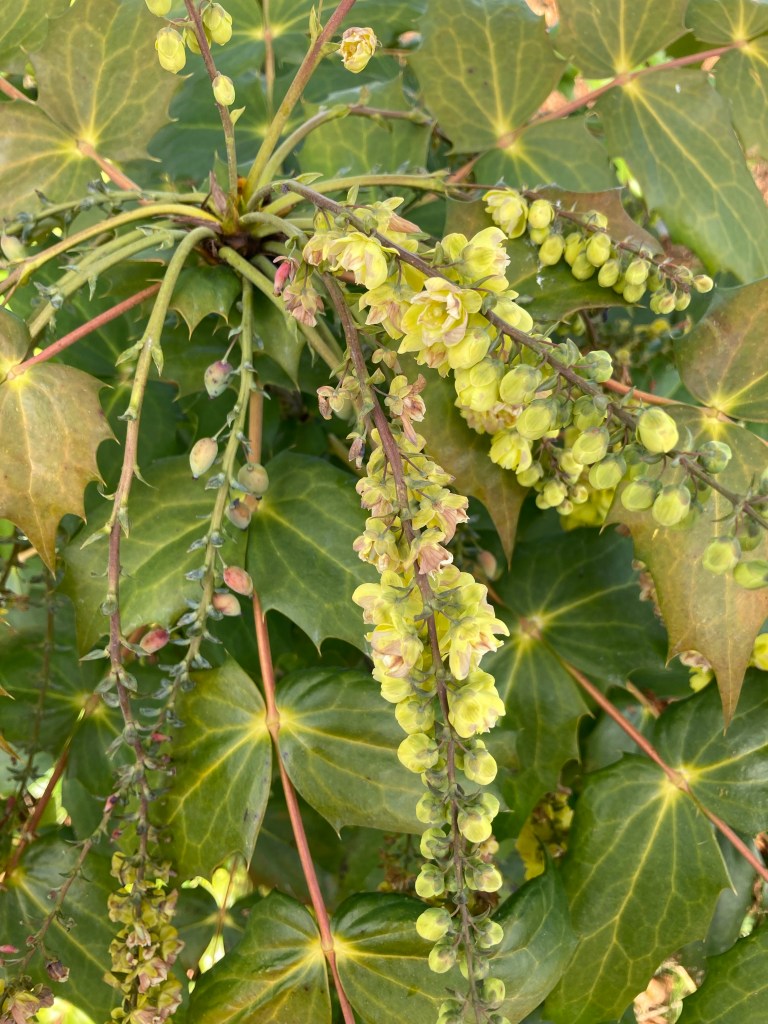

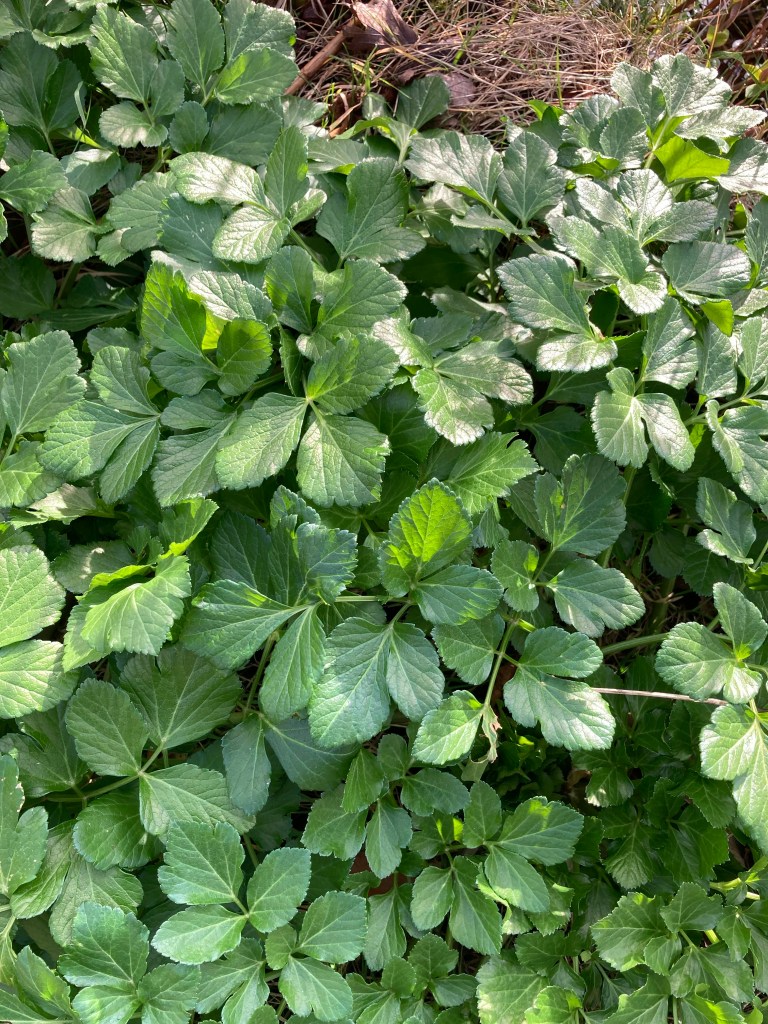
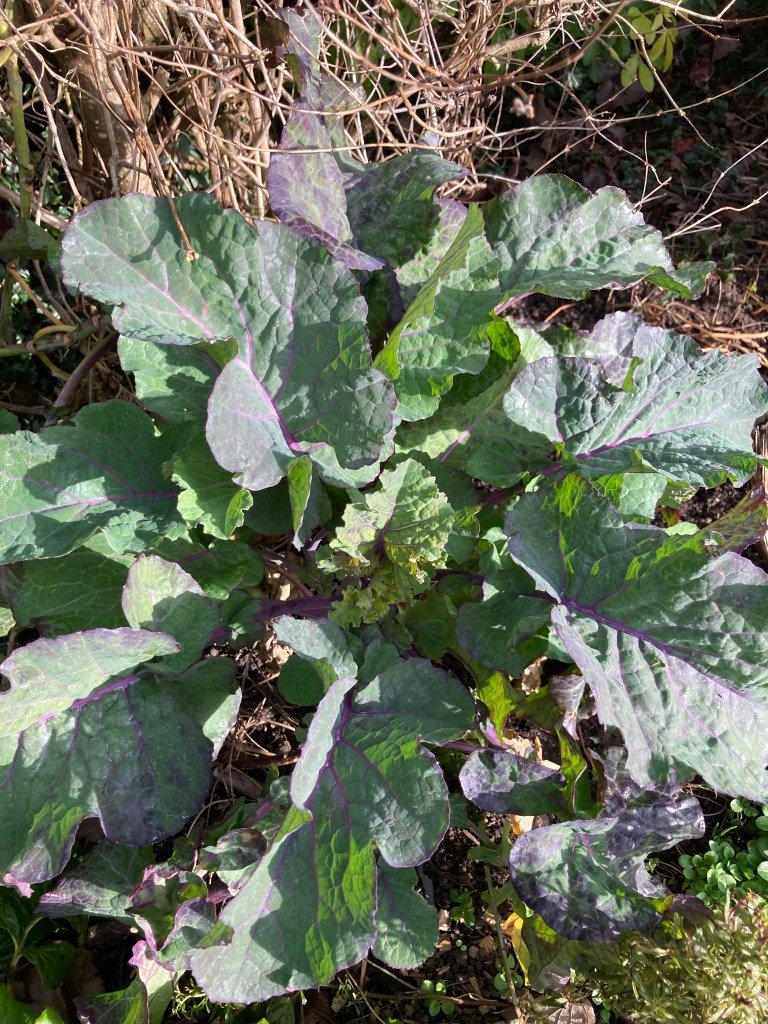
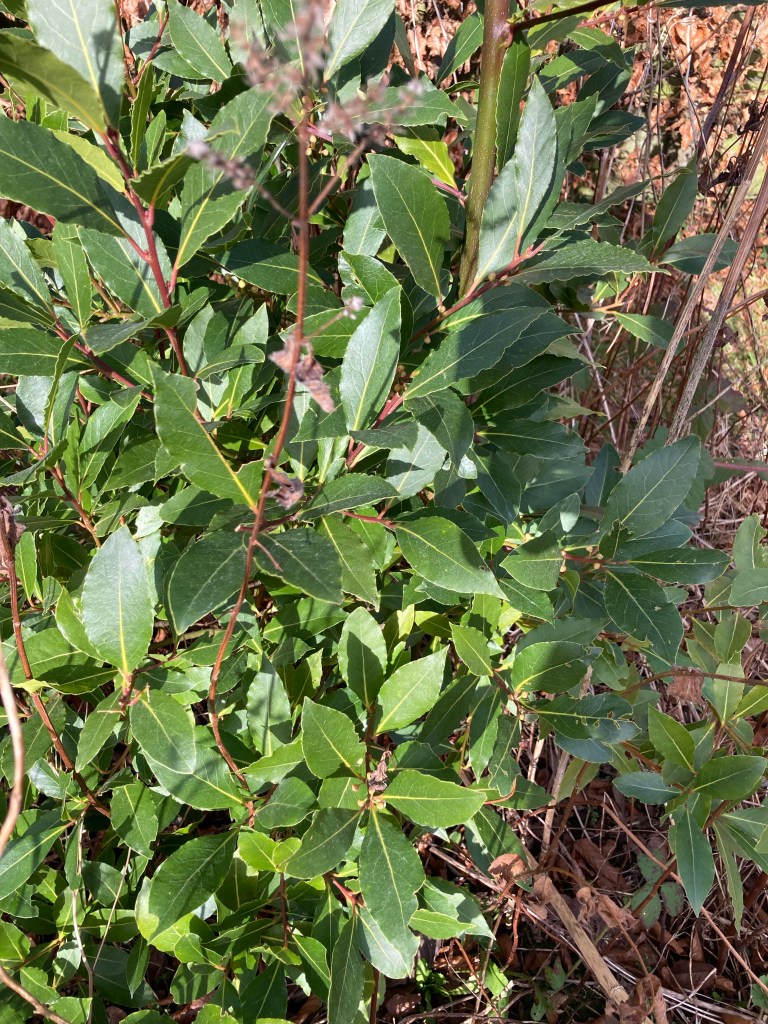
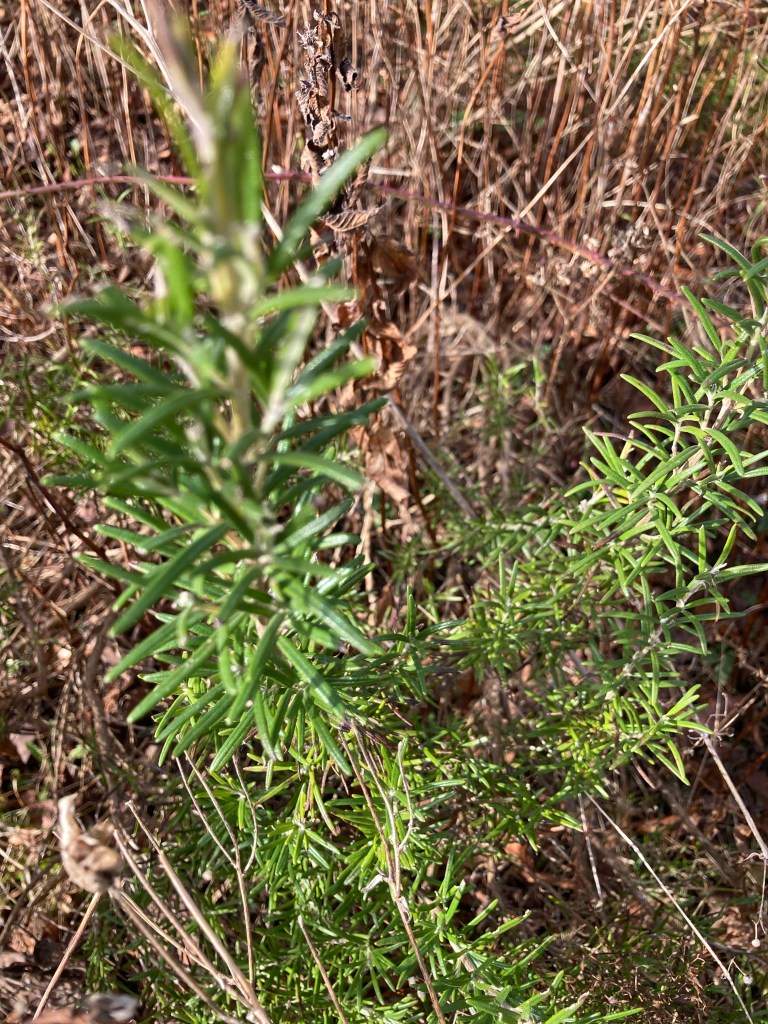
We’ve reached the winter solstice. The early sunset is cheered by the Christmas lights. In the forest garden, with less than eight hours of daylight, a few resilient plants keep growing and flowering.
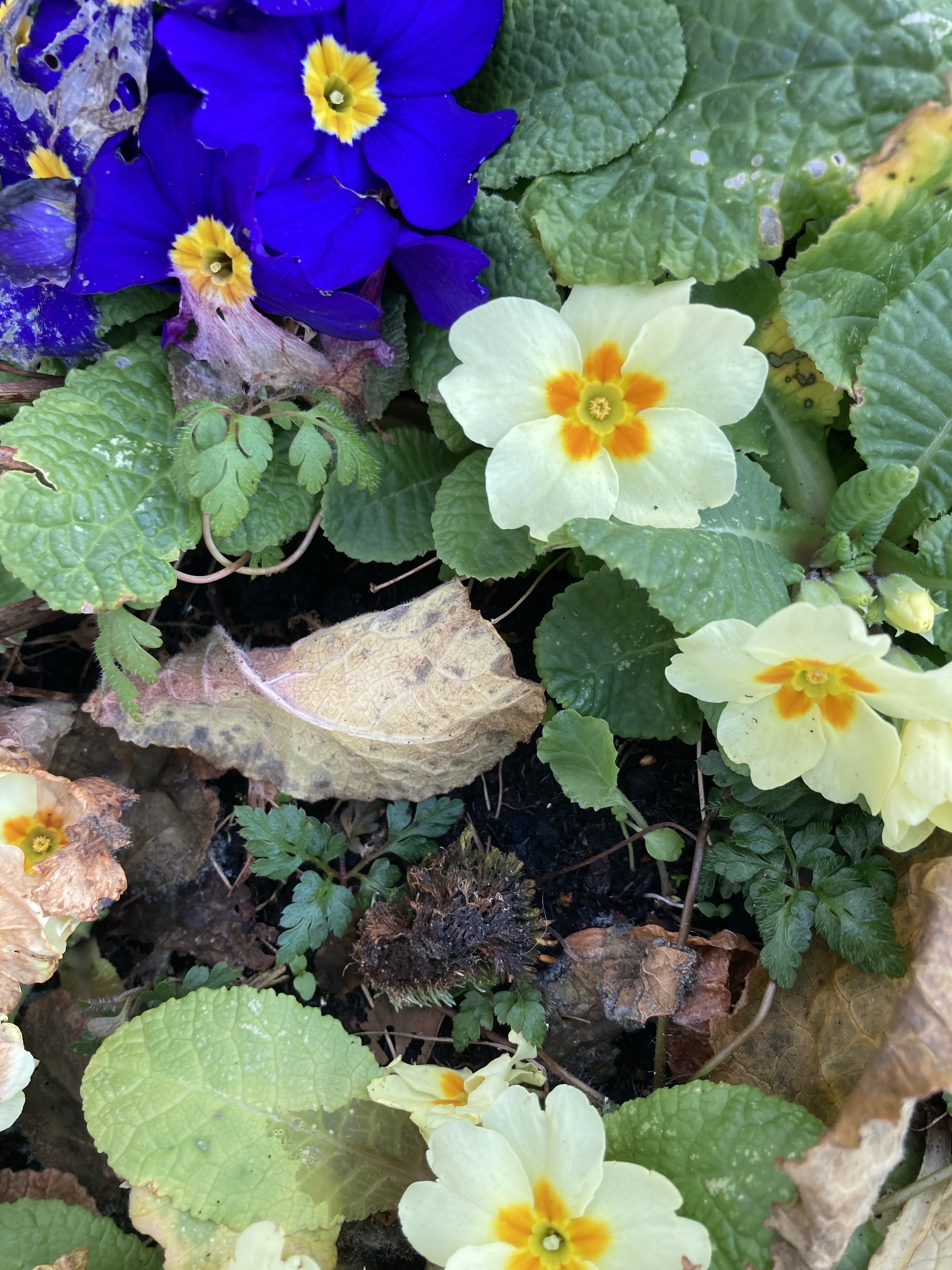
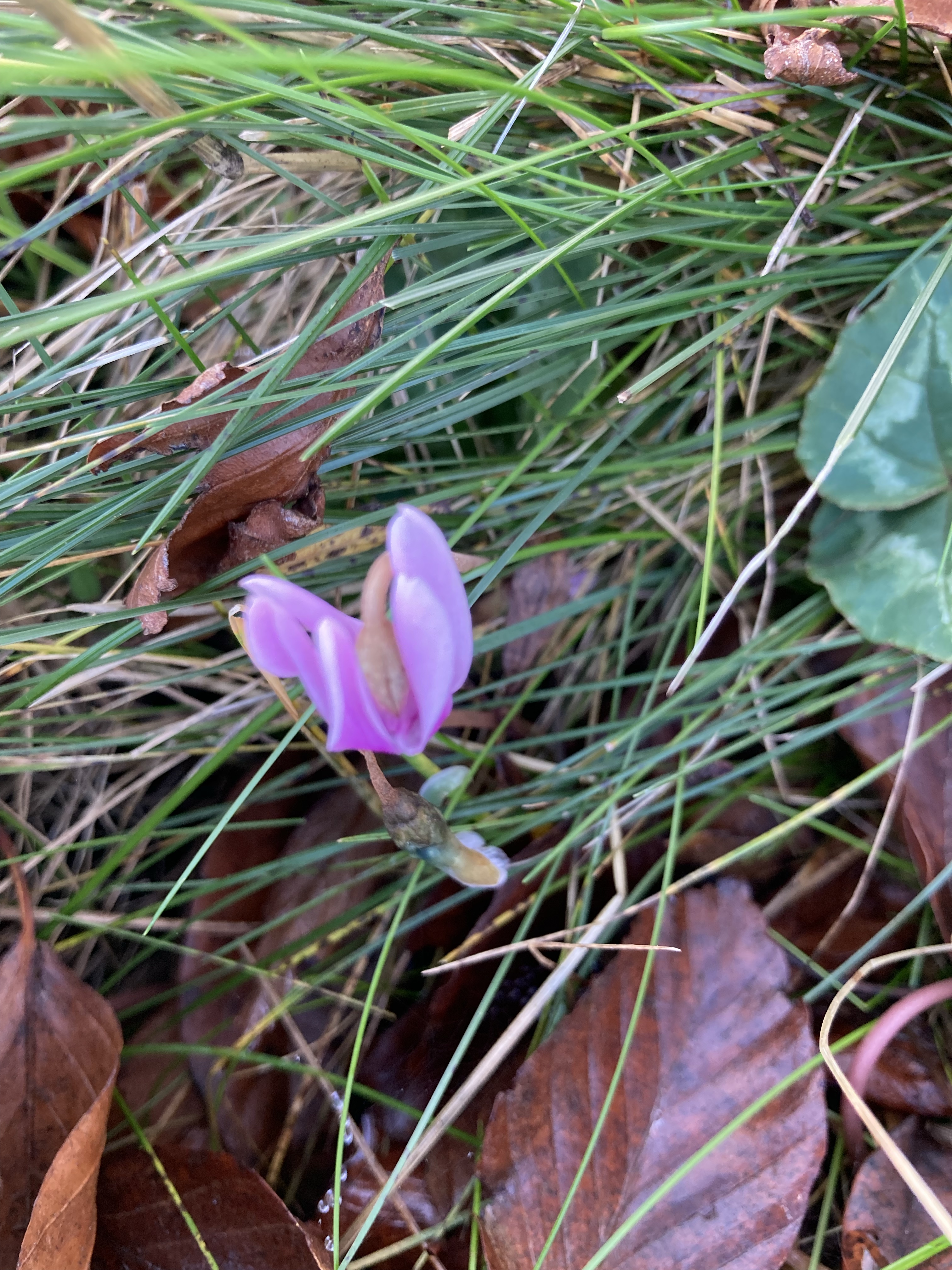
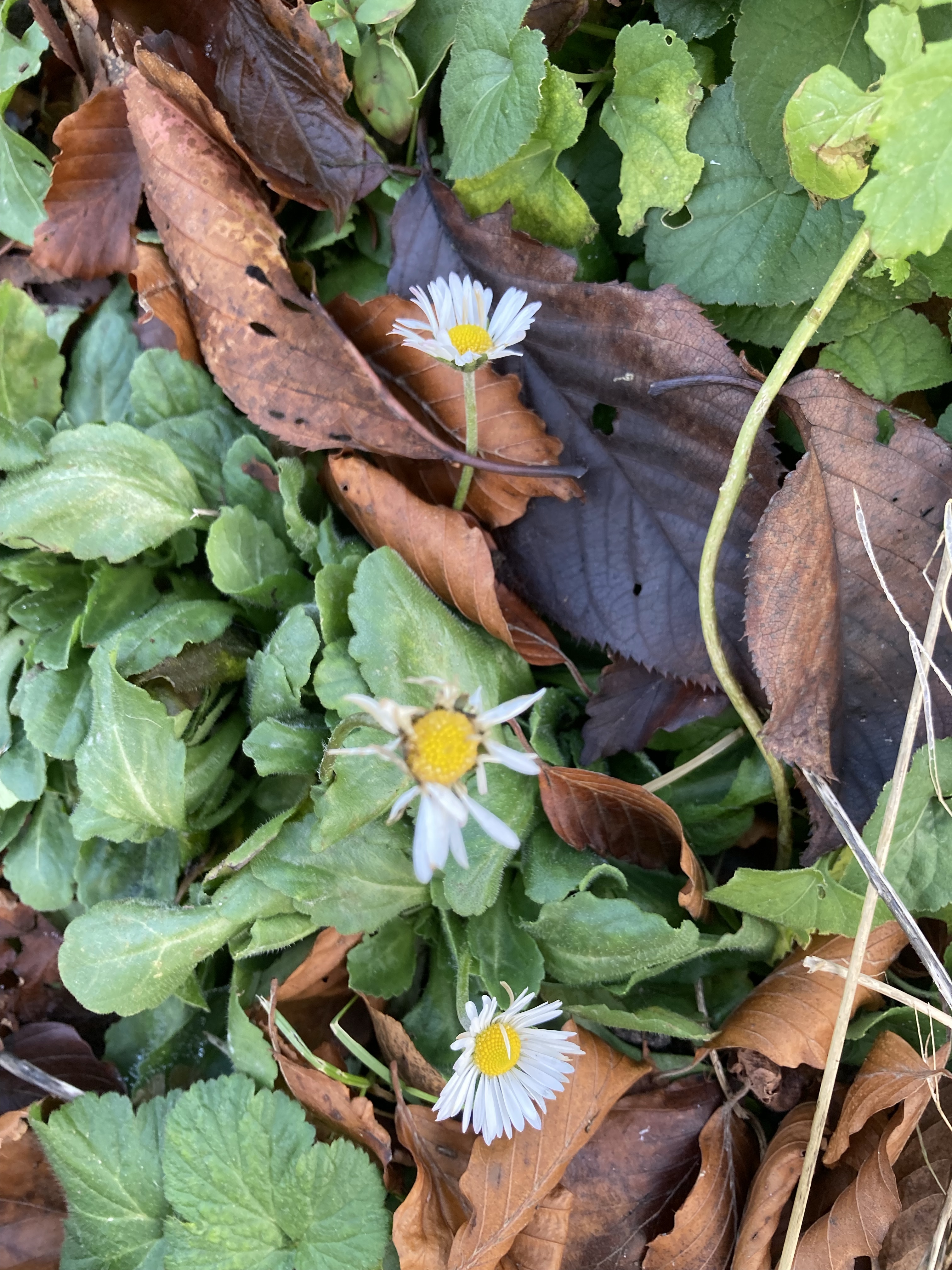
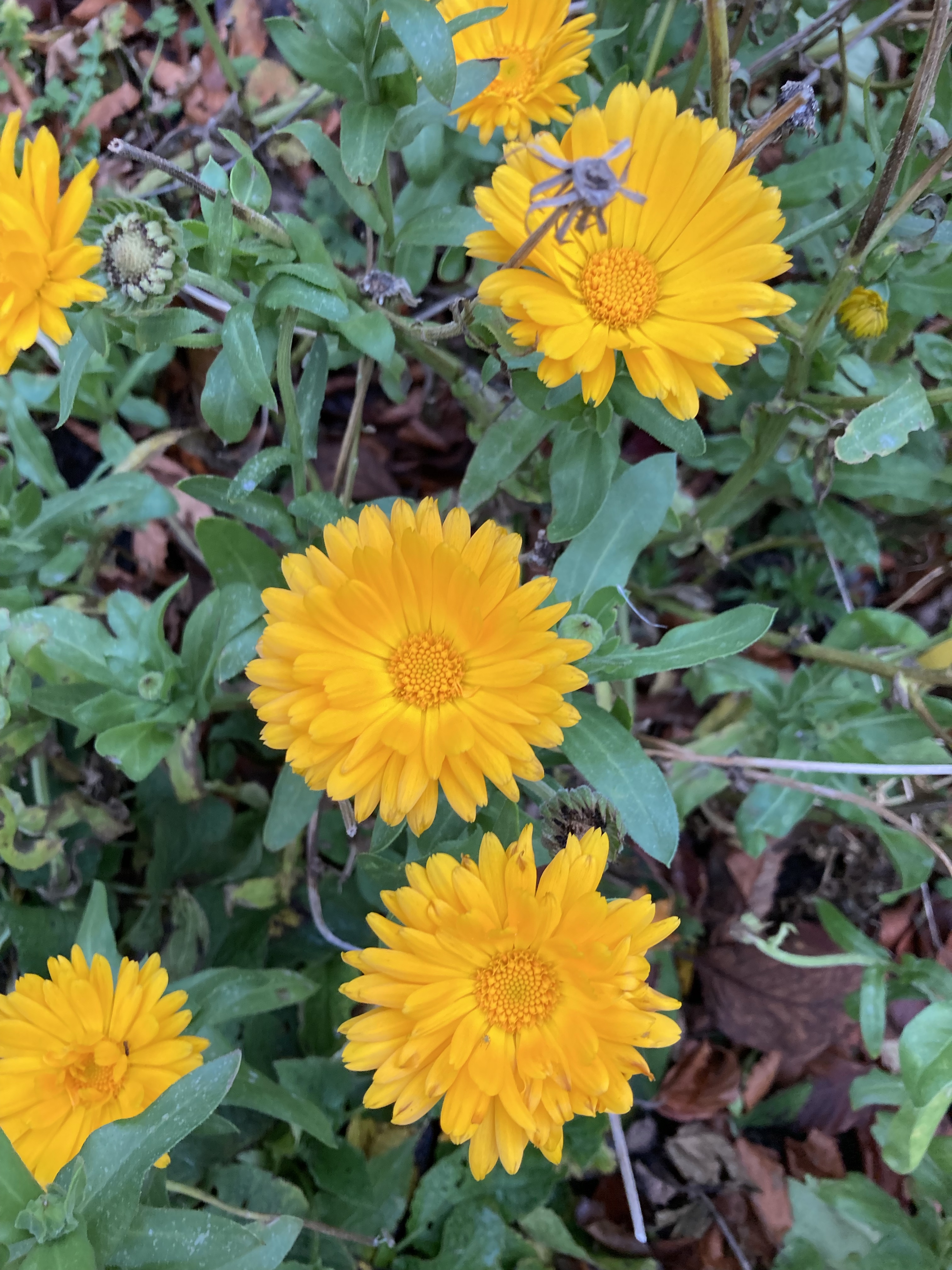
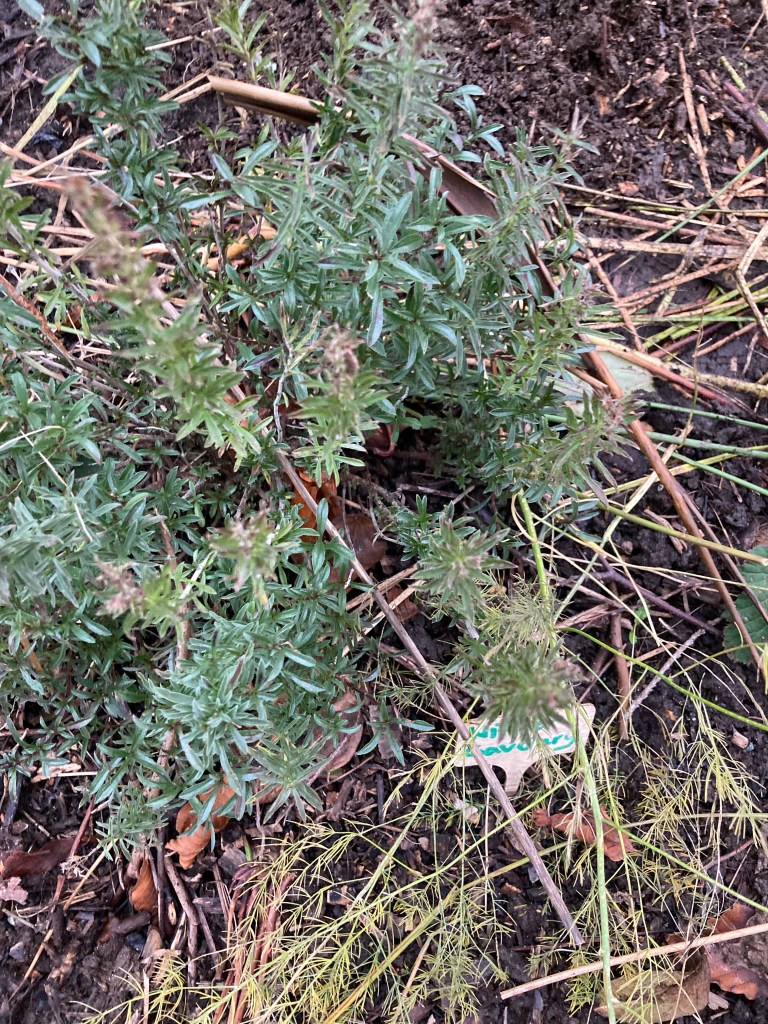

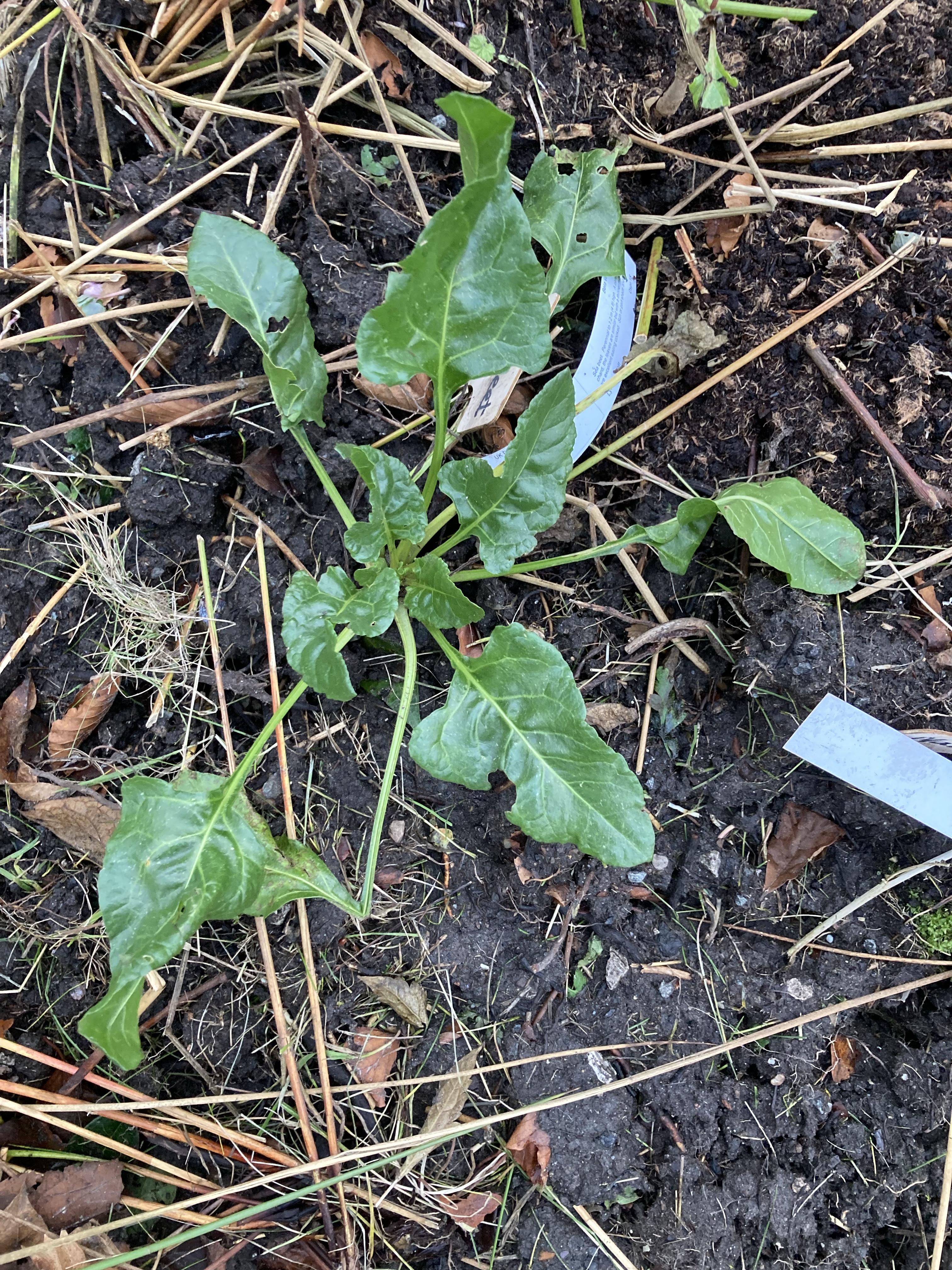
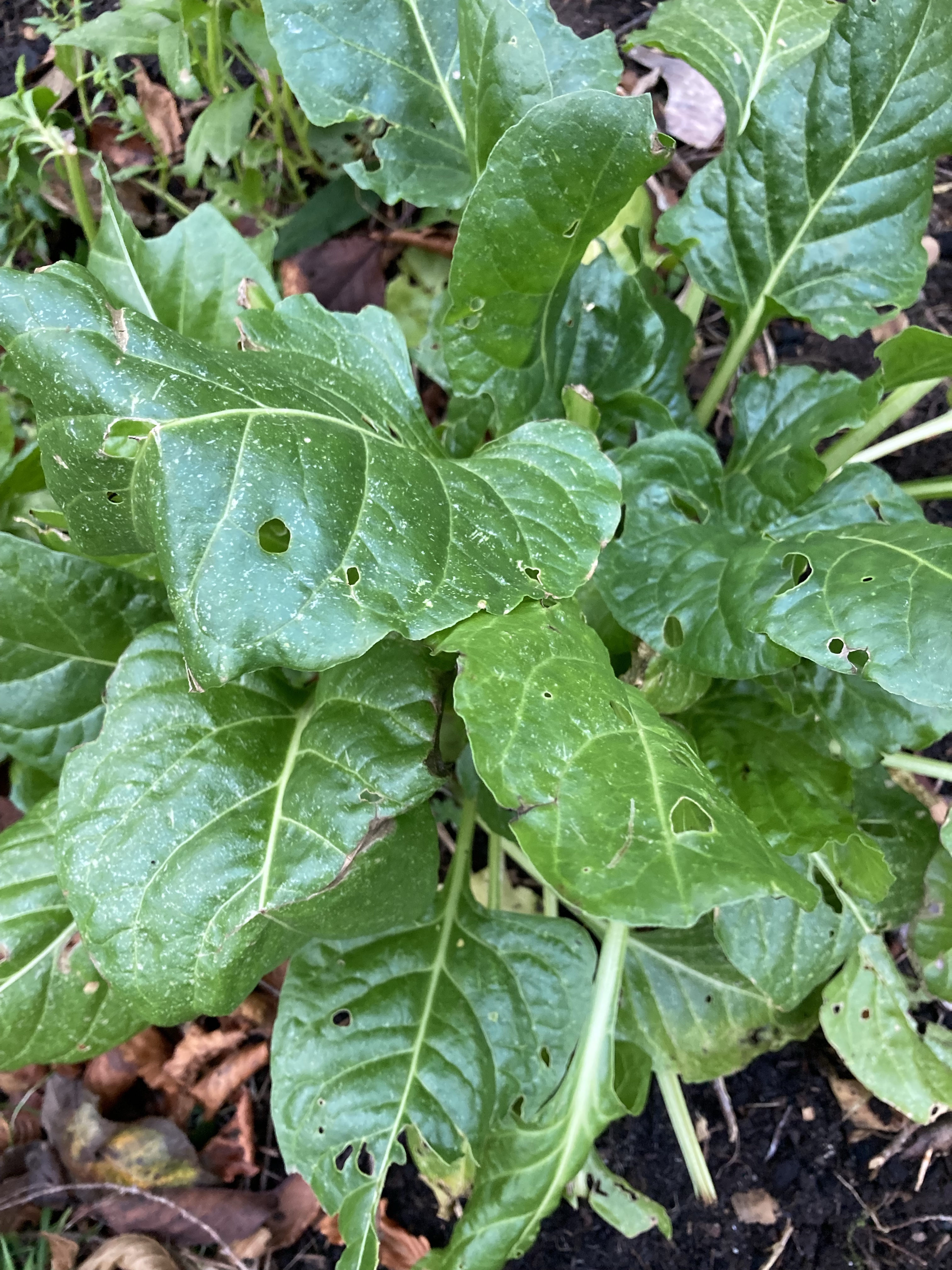
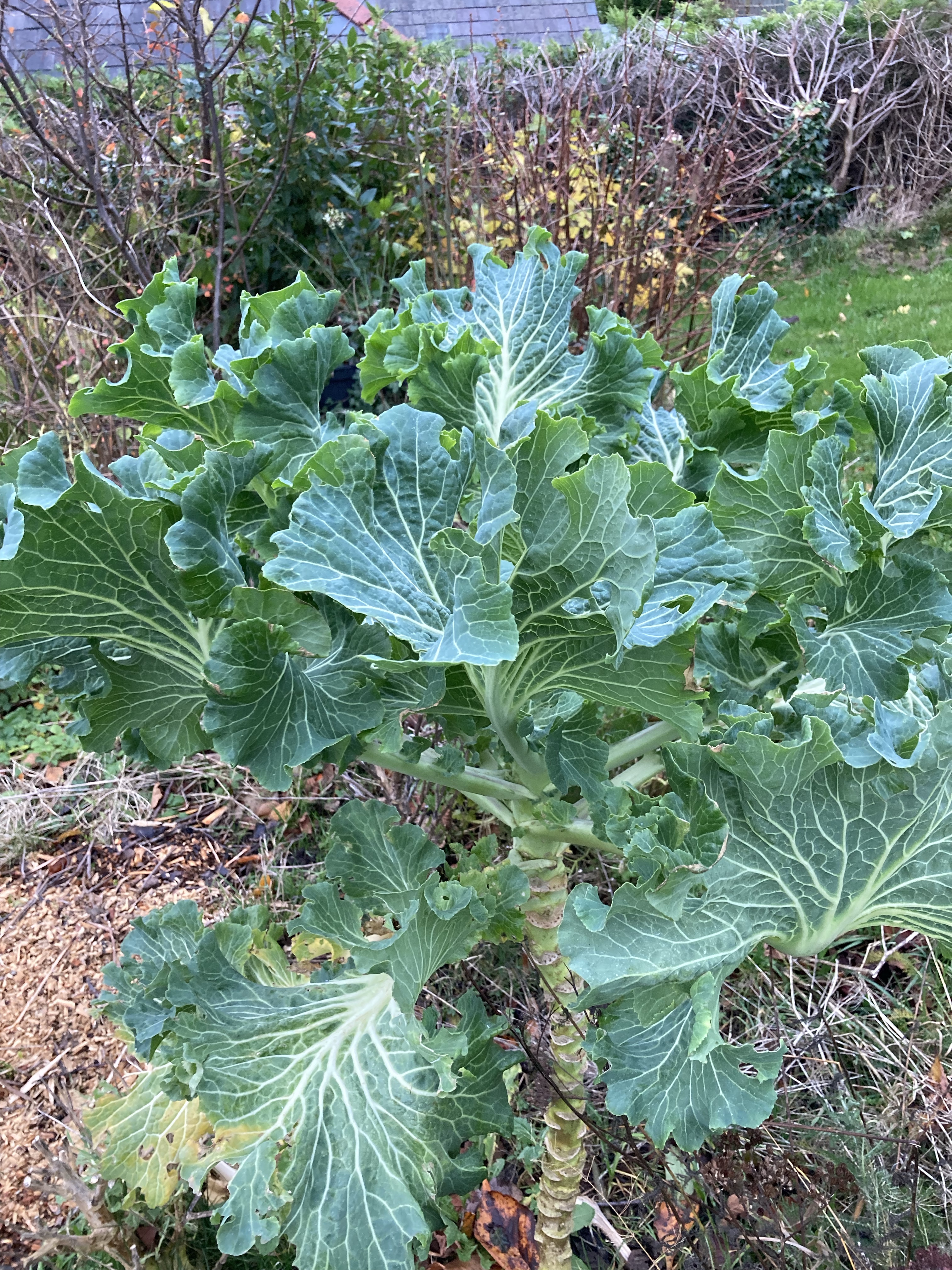
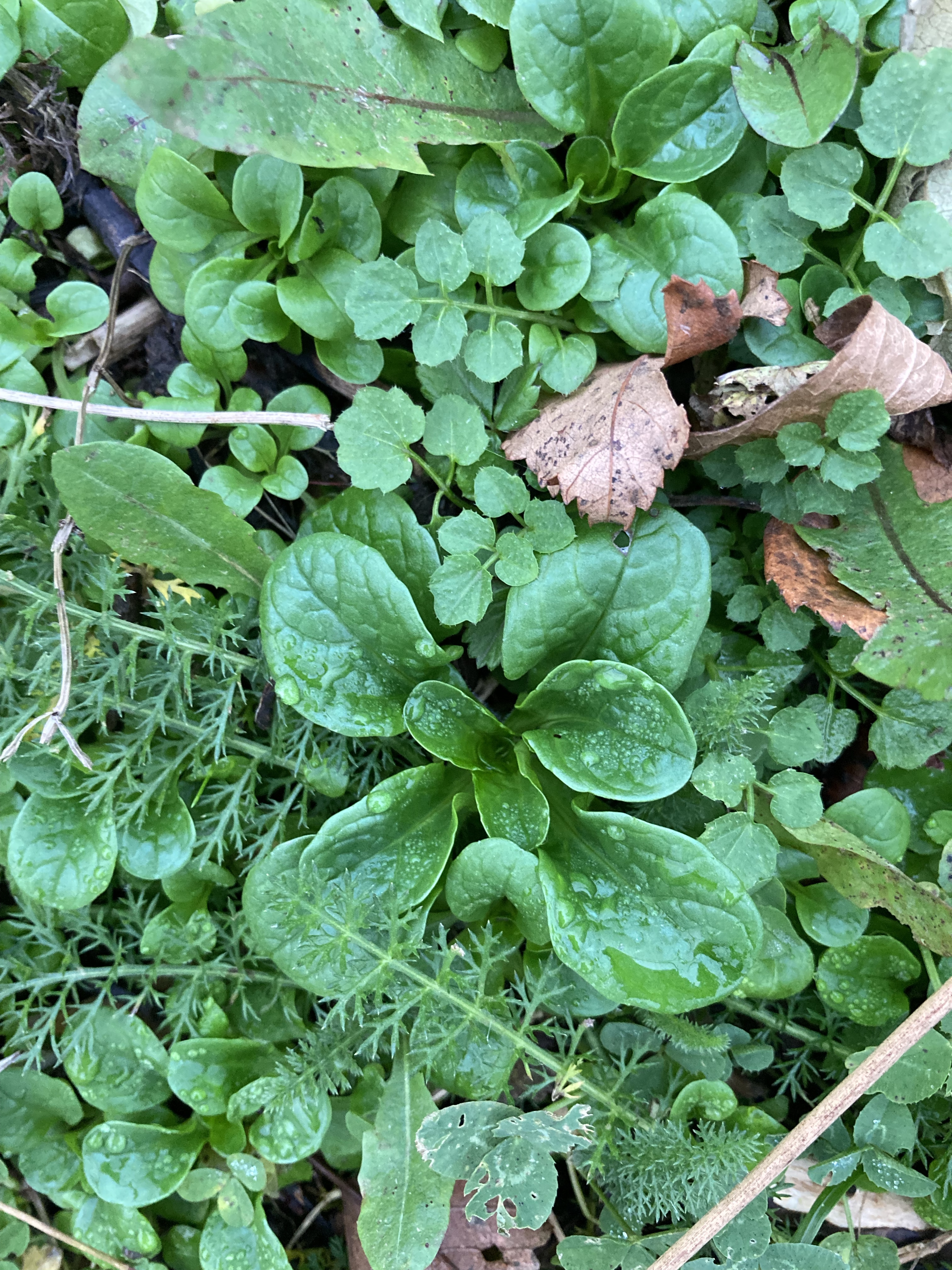
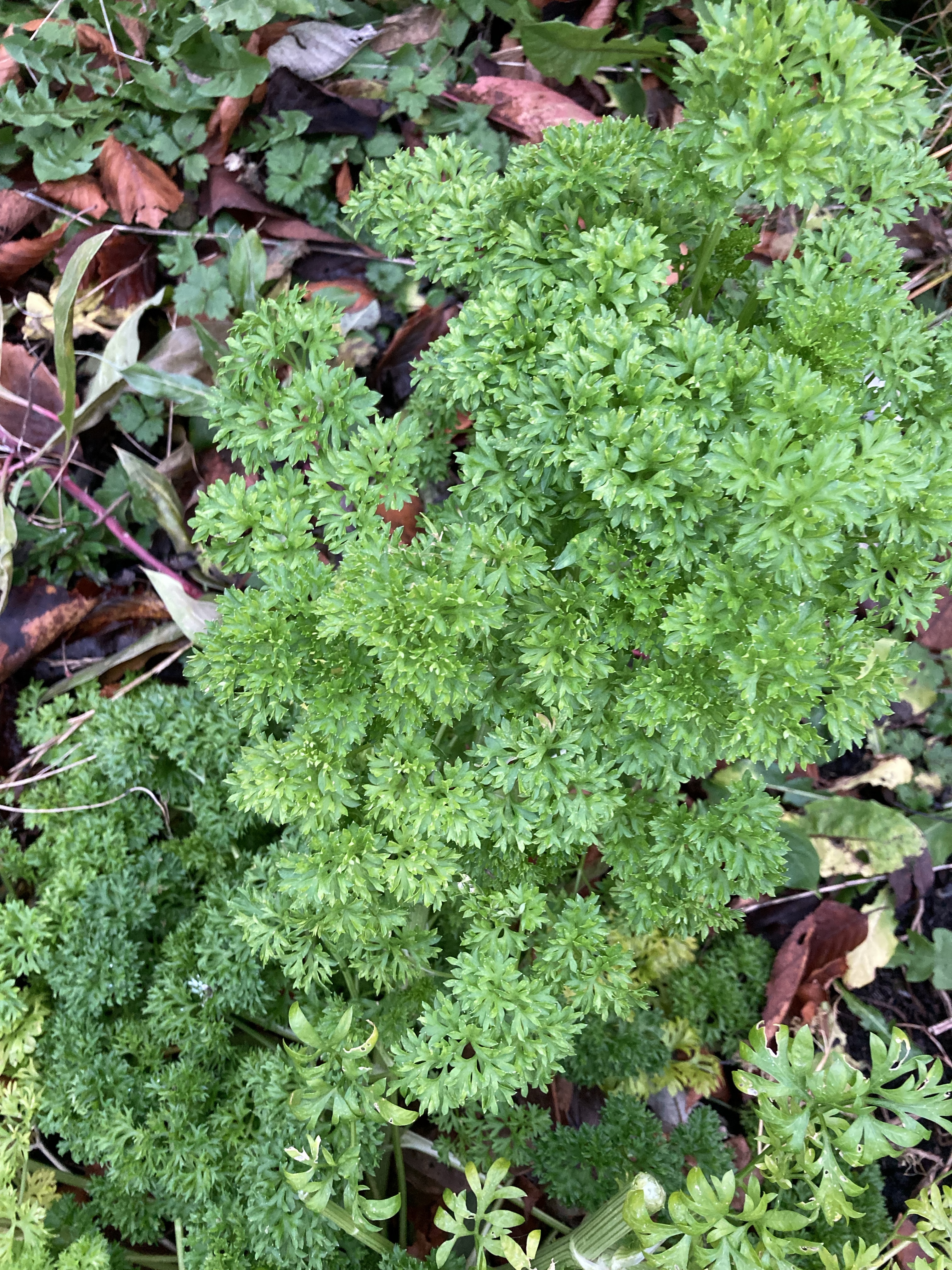
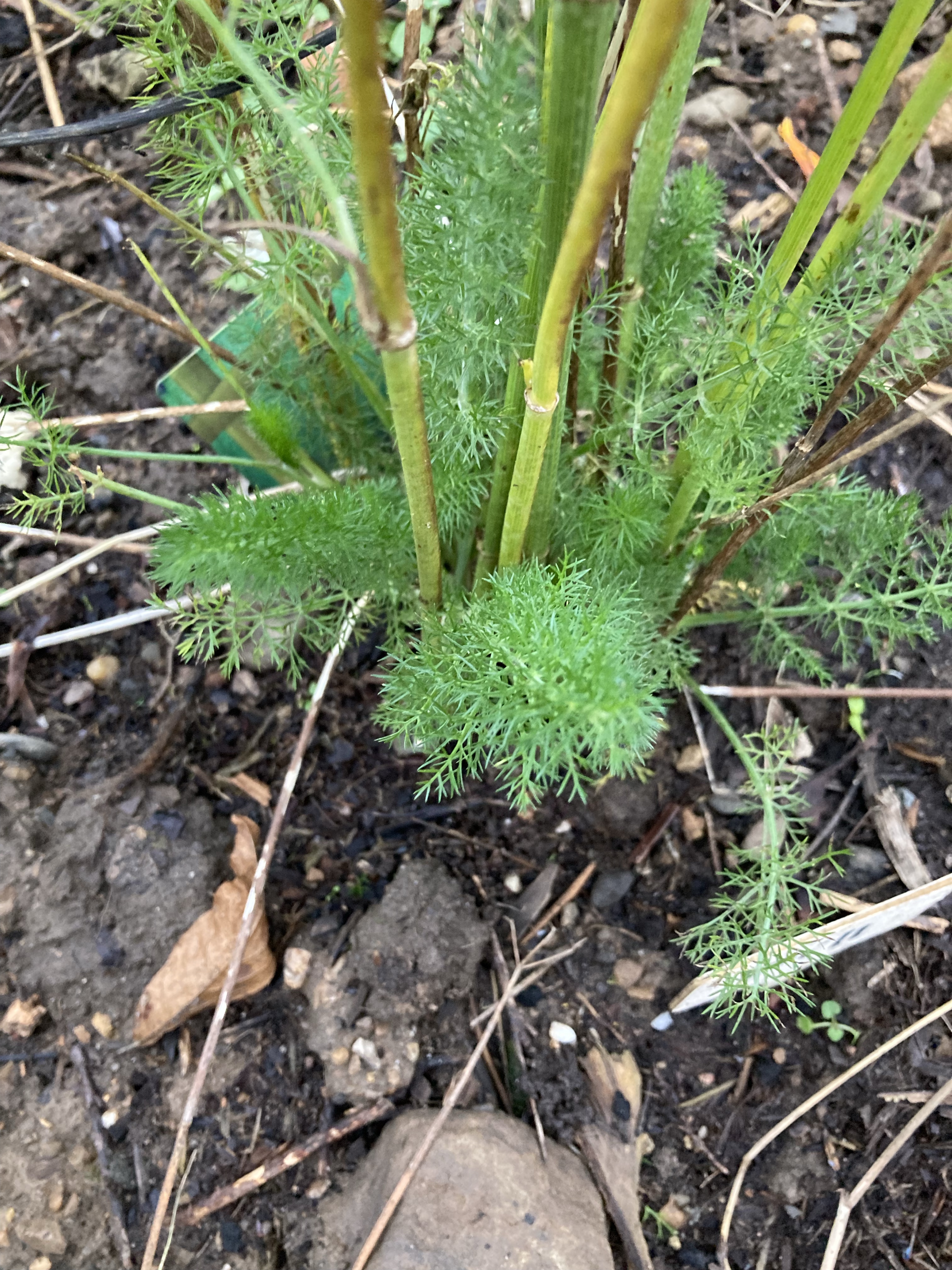
The big harvests of fruit and berries are over, though boxes of apples and jars of preserves are still in store. We are using the dry days to extend a polyculture so we can add more fruit bushes and perennial vegetables in the spring. It’s compulsive!
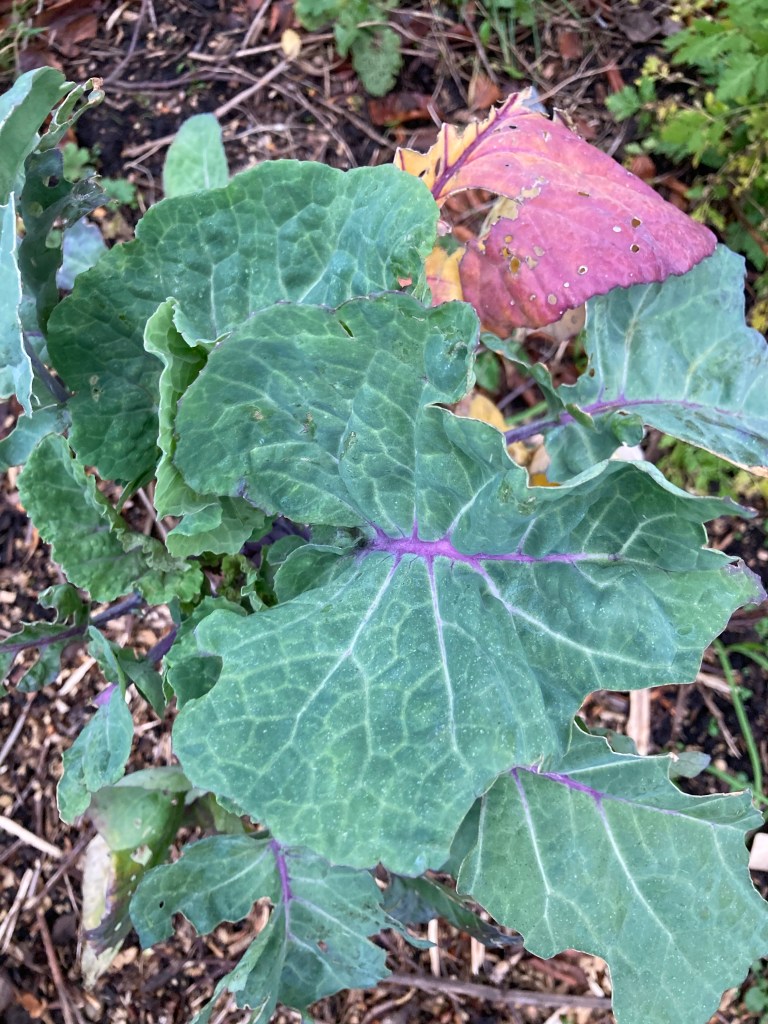
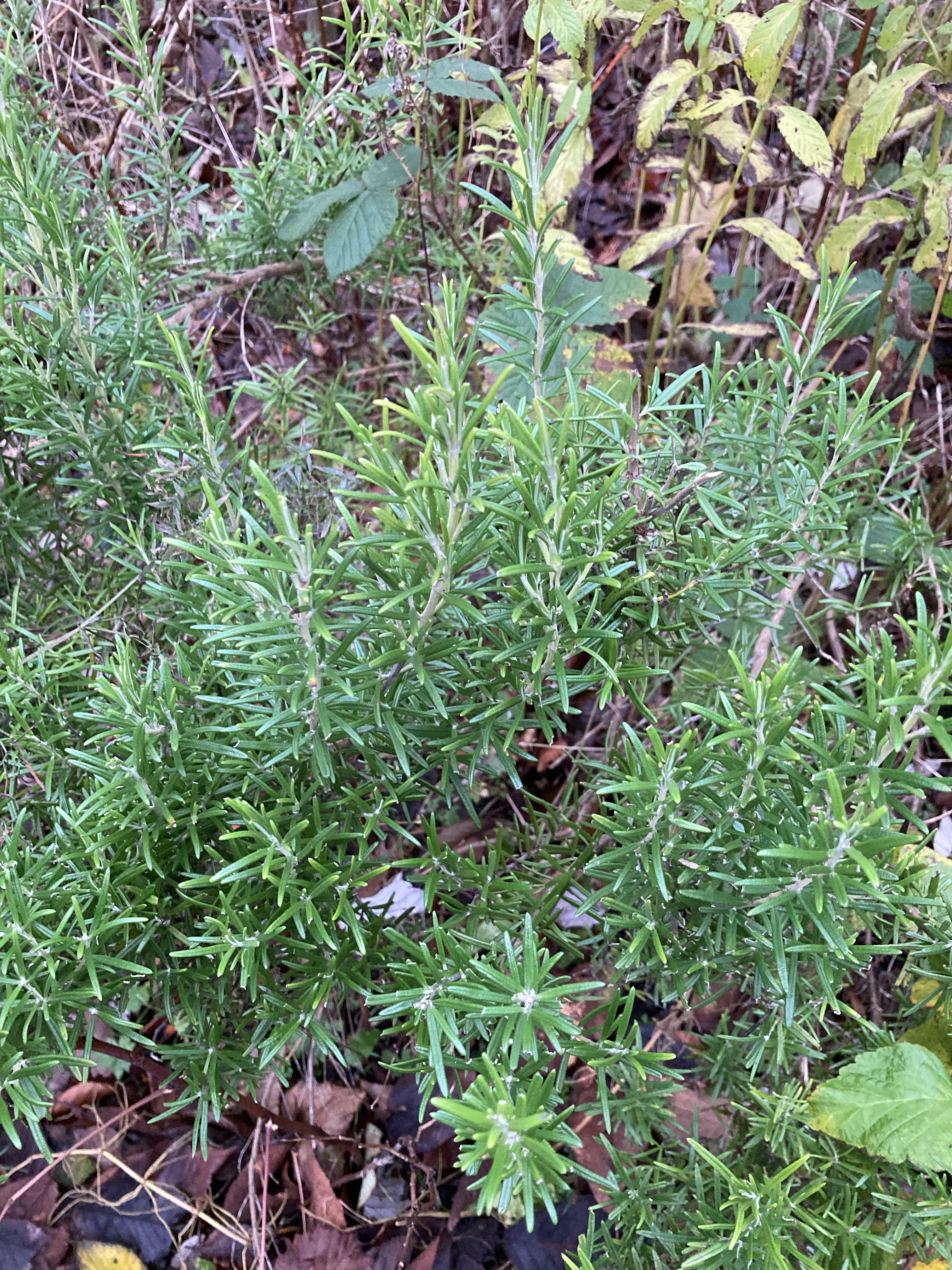
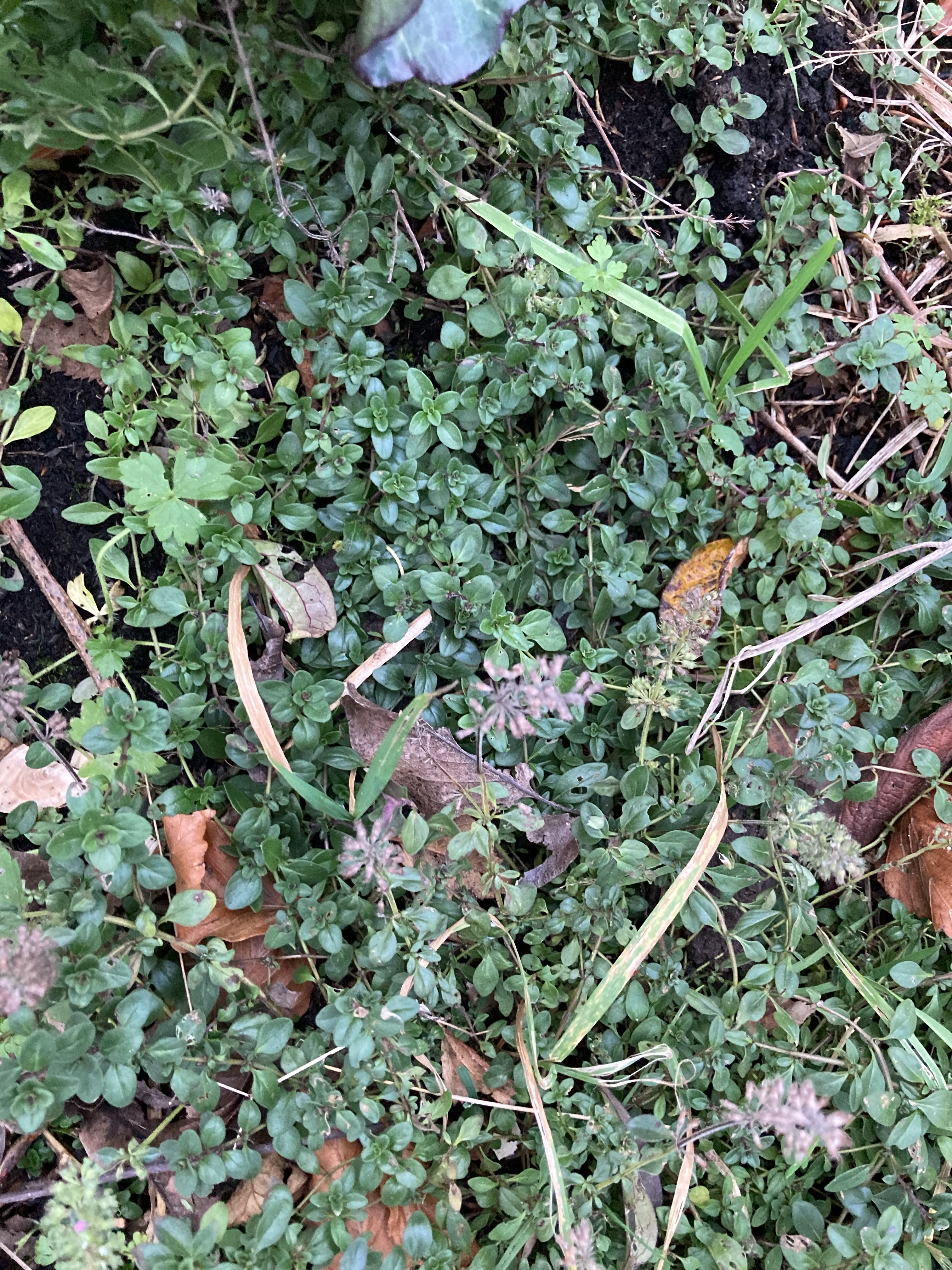
Any garden full of plants is a delight. Our garden was full of shrubs familiar and unfamiliar. The large shrubberies and our lack of weeding had created safe spaces for volunteer plants to become established. Rather like they would in a woodland edge. We had enjoyed trying to recognise them. But when we asked a different question. What does it do? The answers were surprising and began to open our eyes to what the garden already knew.
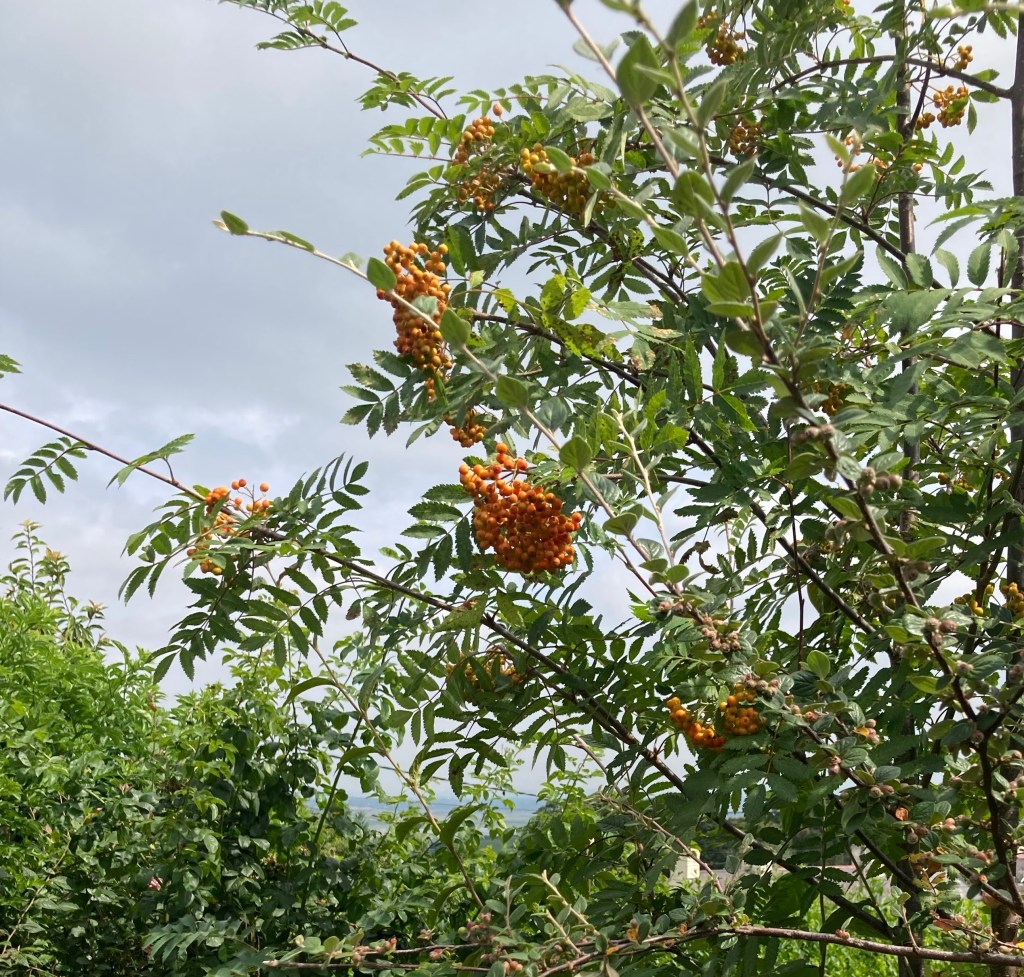
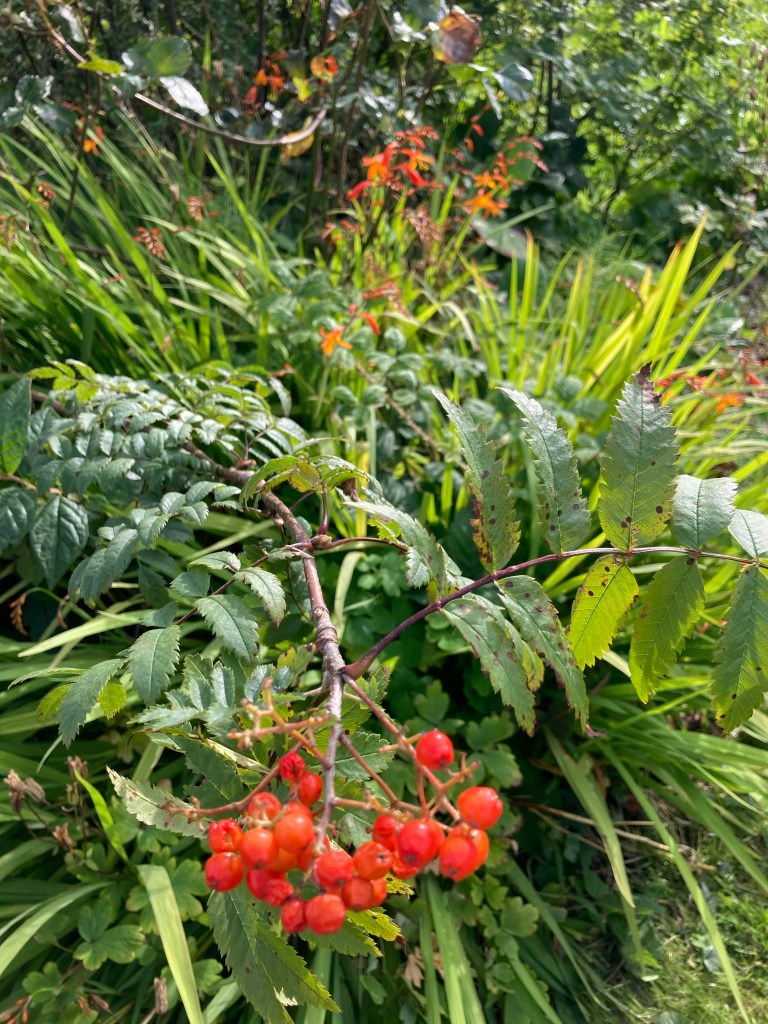
There is an old rowan tree between two beech trees. I think it predates the garden. It’s berries feed the birds and the seeds when dropped in the garden germinate quickly into a myriad of saplings. My mother used to say, “ that’s a rowan, you don’t want it there”. It wasn’t that she didn’t value them. Right plant wrong place! She dug them up and turned them into bonsai trees. I still have one surviving in a pot. So I sometimes dug them out or more often clipped the top off young rowan trees so they didn’t grow too tall. They kept growing and I learned how beautiful they are. First their leaves against a blue sky and their gorgeous orange then red berries in the autumn.
A whole new relationship developed with the Rowan when I first made rowan jelly. It’s so tasty with cheese and full of health benefits. We now let some grow, transplant some into hedges and collect the berries the minute the birds tell us they are ready.
A similar process happened with the hawthorn. We added them to hedges as a native and good for wildlife. Then we made hawthorn ketchup. So gorgeous and good for the heart. Every berry and every drop became precious and we began to see the tree a giver of gifts. The relationship with food changes when you’ve watched it grow, foraged and prepared it. It feels like a gift and of so much more value than a bought one. You feel gratitude to the trees that have come to your garden and offered you food and medicine.
When I was a child in 1960 there were no supermarkets. The milkman called each day, a bread van came twice a week from the local bakery and Jackie Iball stopped in each street with a van full of fruit and vegetables for sale. Most people grew potatoes in their gardens. There were apple trees around the village and scrumping was a thing!
In Mold junction a cooperative shop opposite my primary school, served the two streets of railway houses. I remember the thick wooden counter at my eye level and being bought a penguin biscuit for school snack. The streets also had their own post office and the children saved money in the post office savings bank. Age 11, I was trusted with my friend to take the money down the street to the post office after the Friday collection.
At sometime during my primary years the first supermarket opened in Chester. It was Kwik Save in Handbridge. A drive away. Possibly a bus trip but you went once a week and bought boxes full of food so to use it you needed a car. Soon after, Tesco opened in Grosvenor precinct, stack it high and sell it cheap was their motto. We all bought into the progress promised by the supermarkets. Ready salted crisps we’re joined by cheese and onion then salt and vinegar. What! Can you imagine the excitement of prawn cocktail crisps! I remember the shocking arrival of yoghurt. A little underwhelming until the arrival of strawberry and raspberry flavours!
When I consider the implication of these changes, they were huge. Food became cheaper and more varied. People gradually stopped growing food and the local shops and deliveries ceased. We needed our cars to shop and lost the connection with the source of our food. Why was it cheap? Who was paying the price?
After ten years of mowing, weeding, pruning and battling to keep our mature shrubberies under control, we decided to turn our garden into a food forest. The idea that pruning could be harvesting was very appealing.
It was a revelation to us that vegetables could be perennial like fruit trees and that they did not require annual digging, sowing, weeding and watering. A resilient, edible landscape seemed like an appropriate response to our concerns about climate change and food miles. Given that our ornamental shrubberies were so irrepressible, how hard could it be to convert them to an edible woodland! Looking at the garden with new eyes the first surprise was that many of the existing plants were indeed edible. But that’s another story.
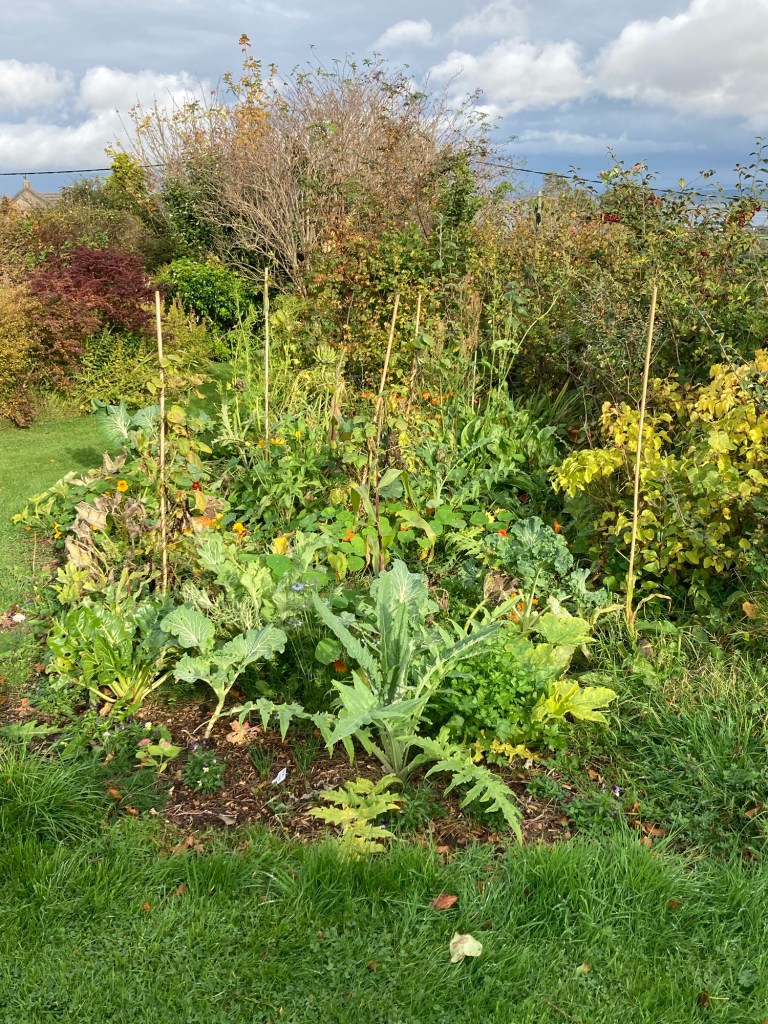
A forest garden is an ecosystem. It mimics the layers of a woodland edge, with canopy trees, fruit trees, shrubs, herbs, ground cover and roots. The forest gardener is part of this system, adding edible and useful plants to the various layers. As the garden matures the gardener observes which plants thrive. Some plants will move in from the neighborhood and some will take the opportunity to revive, as the amount of weeding and bare earth are reduced. A forest garden is full of plants, like a woodland edge.
First Forest Garden
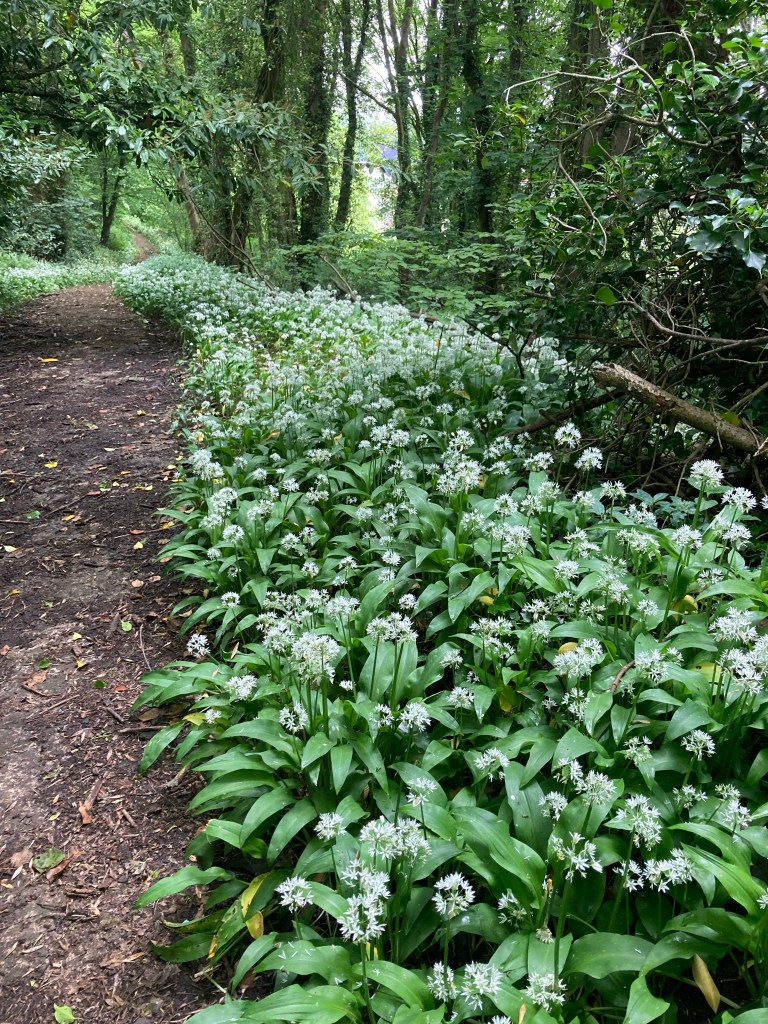
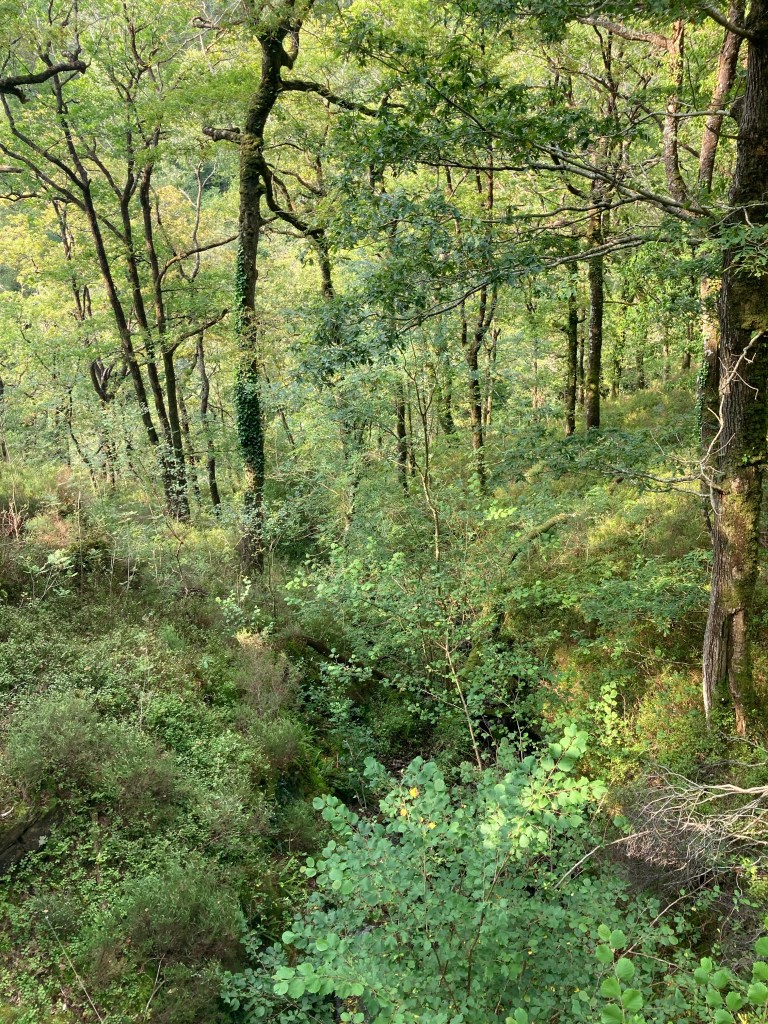
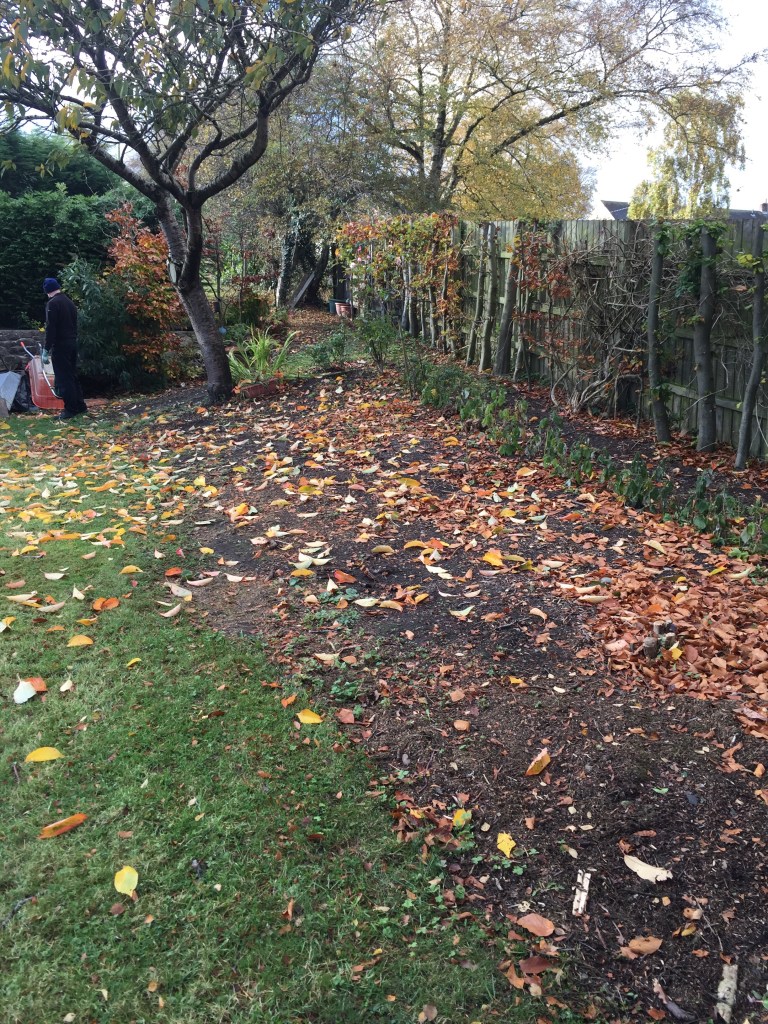
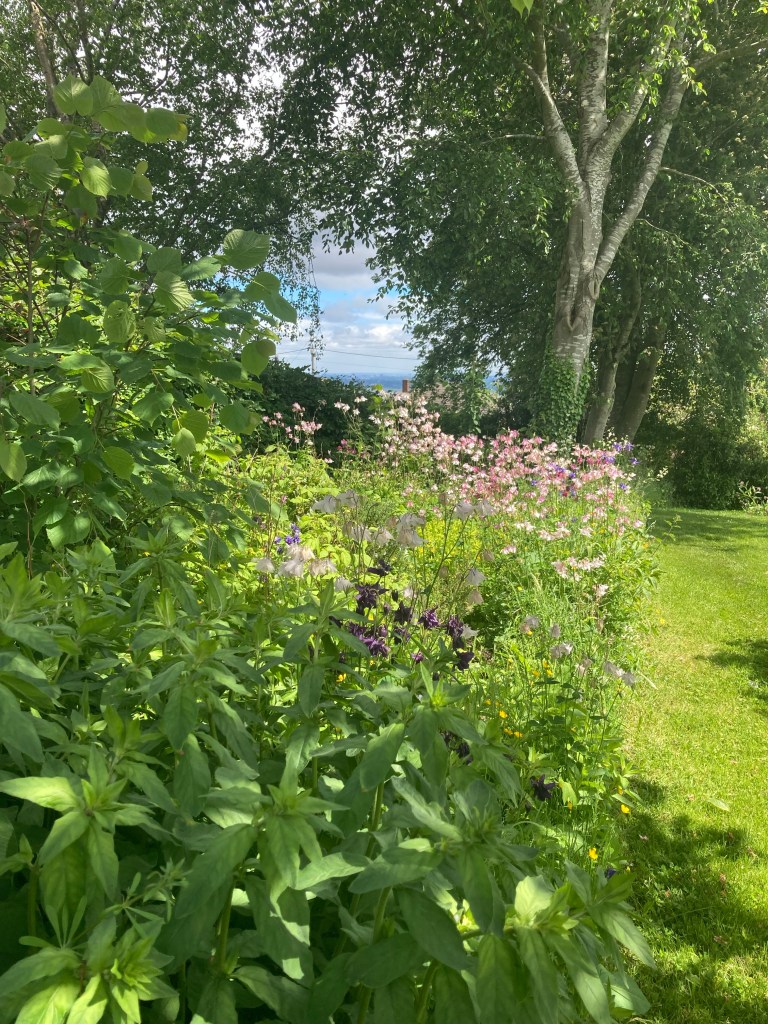
We started the project in an area of the garden where there were already mature trees and fruit trees. We cleared a mature ornamental shrubbery leaving two large beech trees, a Mountain Ash, a cherry and a mahonia. We filled the space with lots of herbs that we had been keeping in pots: bay, rosemary, two types of sage, marjoram, mint and chives. We added a hedge of raspberry canes at the back of the border to mark the edge of the bed. We added asparagus and some perennial kale, spinach and sorrel to the bed. Between the two beech trees where it was very shaded, we added woodland plants like violets, wood sorrel and wild garlic.
 Granny's Garden Forest